If you’ve walked through a retail outlet, a community center, or a small commercial workspace recently, odds are you’ve passed a batten door without pausing to think about it. For as long as I’ve been supplying these doors—over 12 years in the trade—they’ve been a staple for both small businesses and larger commercial properties, not just because of their classic, no-fuss look, but because they’re built to perform in spaces that see consistent foot traffic, rough handling, and the occasional weather exposure. But here’s the thing: a batten door that works perfectly for a backyard shed or a residential garage isn’t going to cut it for a coffee shop, a retail storage bay, or a local library. There are specific, non-negotiable requirements that turn a simple door into a reliable commercial asset, and I’ve spent thousands of hours walking property managers, contractors, and architects through exactly what those requirements are. Batten Door

Let’s start with the structural foundation, because commercial spaces put doors through way more stress than most people realize. A batten door, at its core, is made of wide wooden planks (battens) held together by horizontal or vertical braces, but in a commercial setting, that basic design needs to be reinforced to stand up to daily use. Residential batten doors often use thin, softwood planks like pine, paired with light braces that work for occasional access. For commercial applications, we can’t cut corners here. The battens themselves need to be a minimum of 1 ½ inches thick—any thinner, and they’ll warp, split, or develop gaps after just a few months of a delivery driver slamming it shut, a rolling cart scraping along its edge, or humidity swings from a walk-in fridge spilling into the adjacent storage area. We also spec kiln-dried lumber for every commercial order: kiln drying removes up to 15% of the moisture from the wood, which prevents that seasonal expansion and contraction that ruins cheap, wet lumber. I’ve had a customer who bought a “bargain” batten door for their retail back door last year; within six months, it had warped so badly that it wouldn’t lock, and we had to replace it because it couldn’t hold up to the constant delivery traffic. That’s exactly why the battens and their treatment are non-negotiable.
Then there’s the bracing system, which is what makes a batten door functional, not just decorative. Residential doors might use 2×2 inch horizontal braces, but commercial doors need bracing sized for the door’s height and width. If a door is over 7 feet tall or 4 feet wide (a common size for commercial storage bays), we use 3×3 inch structural braces, typically made of solid oak or Douglas fir—those woods are denser and more resistant to impact than soft pine. Even more important is the way the braces are attached. I’ve seen contractors nail braces on the front surface and call it a day, but that’s a recipe for disaster. In commercial settings, braces need to be installed on the back of the door, so they don’t catch on carts, cleaning supplies, or foot traffic when the door is open. We also use corrosion-resistant screws, not nails, to attach braces—nails work for small residential doors, but commercial doors have to hold up to years of tension from hinges, and nails pull out over time, while galvanized or stainless steel screws stay secure, even if the door is in a damp space like a grocery store storage area or a pool facility. That small detail makes a huge difference in how long the door lasts.
Next, we can’t ignore the hardware requirements, because a door is only as good as its fittings. Commercial spaces have code rules that residential doors don’t, and that applies directly to batten doors. First, hinges: a standard residential door uses two hinges, but a commercial batten door that’s 8 feet tall or heavier than 80 pounds needs a minimum of three heavy-duty ball-bearing hinges. Those hinges are designed to support the extra weight and withstand frequent opening and closing—something ordinary residential hinges can’t do. I once supplied a door to a local hardware store that tried to use two hinges for their double-wide batten entrance door; within a month, the door was sagging so bad it wouldn’t latch, and they had to pay extra to upgrade hinges. That mistake is avoidable. Locks, too, have to meet commercial standards. A deadbolt or a commercial-grade knob lock that works for a home won’t hold up to someone forcing it, or to the constant jiggling from employees coming and going. We spec ANSI Grade 1 locks for all commercial batten doors—those are the highest rating for door locks, designed to resist forced entry and 200,000+ cycles of use, which is way more than the average commercial space will ever need, but it ensures reliability. We also offer panic bar options for spaces like retail shops or community centers, which are required by fire code for areas with high occupancy, so people can exit quickly in an emergency without fumbling with a lock. That’s not a nice-to-have; it’s a legal requirement for most commercial properties over a certain size, so we make sure every customer knows that up front.
Weather resistance is another big one, depending on where the door is installed. Batten doors are often used for exterior entrances, loading docks, or open-air covered areas like a patio restaurant, so they have to stand up to rain, snow, UV rays, and temperature swings. A residential batten door with a basic clear coat will start to rot or fade within a year of being exposed to the elements, which is a huge problem for commercial spaces that can’t afford to replace a door every 12 months. For commercial exterior batten doors, we use two layers of primer, followed by an oil-based, UV-resistant exterior paint or a marine-grade stain. The paint forms a tight barrier that keeps moisture out, while the stain protects the wood from sun damage that causes warping. We also add edge-sealer to every door’s bottom and top edges—those are the parts that take the most moisture, and without sealer, water will seep into the cut ends of the planks, leading to rot that spreads quickly. Last year, a restaurant owner called us because their exterior batten door was rotting at the bottom; we explained that they’d skipped the edge sealer and used a cheap interior paint, so we worked with them to re-finish the door properly, saving them from a costly full replacement. That’s the kind of service that comes with knowing the specific needs of commercial spaces, not just selling a door off a shelf.
Sound control might not be the first thing you think of when it comes to a batten door, but it’s a critical requirement for many commercial buildings. A doctor’s office, a library, or a boutique retail space in a busy strip mall can’t have loud slams or noise seeping through the door. Standard batten doors don’t offer much soundproofing, but we can modify them for commercial spaces by adding a ½ inch thick layer of MDF (medium-density fiberboard) to the back of the door, paired with a rubberized seal along the edges. That seal fills the gaps between the door and the frame, blocking outside noise, and the MDF adds density to the door, so it doesn’t vibrate when closed. For spaces like recording studios, we even offer double-layered batten doors with a 1-inch air gap between the layers, which can reduce sound transfer by up to 30 decibels—enough to keep office chatter out of a quiet exam room, or street noise out of a high-end retail store. We always ask customers about their space’s noise needs during our initial consultation, because that’s a detail that gets overlooked if you just pick a door based on price alone.
Maintenance requirements are also a key part of using a batten door in commercial buildings, because commercial owners can’t afford high-maintenance doors. We design every commercial batten door to be easy to clean and repair, which isn’t always the case with custom doors. For example, our doors have planks that are uniform in size, so if one gets damaged by a cart or a heavy object, you don’t have to replace the entire door—you can just swap out the single plank. That saves property managers hundreds of dollars in repair costs, instead of paying for a full door replacement. We also provide clear, simple maintenance guides for every commercial order, including how to reapply sealant or paint every 3-5 years, how to lubricate hinges, and how to adjust the door if it starts to sag. I’ve had customers tell me they appreciate that we don’t treat a commercial door like a one-and-done purchase; we’re here for the long term, helping them keep their door working for years, not just a few months.
There are also code-specific requirements depending on the type of commercial space. For example, public assembly spaces like community centers or churches have fire code rules that dictate door width and materials—our batten doors are made of solid wood, which is non-combustible when properly treated, so they meet most local fire codes. For loading docks, which are subject to OSHA regulations, we reinforce the bottom of the door with a steel kick plate, so it doesn’t get damaged by forklifts or rolling pallets. OSHA requires that loading dock doors have kick plates to prevent injuries, so that’s a non-negotiable add-on for any door installed in a loading area. We always make sure to check local building codes and OSHA standards with every customer, so they don’t run into issues during inspections.
If you’re a property manager, architect, or contractor working on a commercial project, the worst mistake you can make is assuming a batten door is just like any other door. It’s not—it’s a specific product that requires attention to structural strength, hardware, weather resistance, sound control, and code compliance. Over the years, I’ve worked with hundreds of businesses to find the right batten door for their space, and I’ve learned that the best solution isn’t always the cheapest one; it’s a door that’s built to last, meets all requirements, and fits the unique needs of their commercial space.
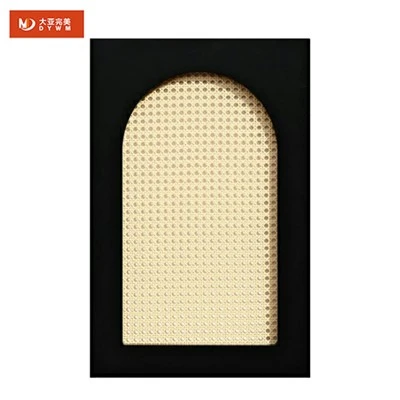
If you’re looking for a reliable batten door for your commercial project, or you have questions about requirements, sizing, or customization, I’d be happy to walk through your options with you. We work with projects of all sizes, from small retail shops to large community centers, and we can design or supply a batten door that’s perfect for your needs.
Vacuum Formed Door References
- International Building Code (IBC) – Chapter 10: Means of Egress, 2021 Edition
- National Wood Window and Door Association (NWWDA) Commercial Door Performance Standards, 2022
- Occupational Safety and Health Administration (OSHA) – Loading Dock Safety Guidelines, 2023
- Architectural Woodwork Manufacturers Association (AWMA) – Commercial Wood Door Specifications, 2021
- Sound Transmission Class (STC) Ratings for Commercial Interior Doors, ASTM E90-20 Standard Test Method for Laboratory Measurement of Airborne Sound Transmission Loss of Building Partitions and Elements
One May Dee Show Furniture Co., Ltd.
As one of the most professional grill door manufacturers and suppliers in China, we’re featured by quality products and good price. Please rest assured to wholesale cheap grill door made in China here and get quotation from our factory. Customized orders are welcome.
Address: Laomiao Village, Dacheng Town, Sanyuan County, Xianyang City, Shaanxi Province, China.
E-mail: trade@omdoor.com
WebSite: https://www.omdoor.com/
