If you’ve ever shopped for fire rated windows, chances are you’ve run into a common dilemma: you want the safety benefits of a fire rated system, but you also want the aesthetic and practical perks of tinted glass. As a fire rated window supplier who’s worked with architects, contractors, and building owners for over a decade, this is one of the questions I get more than any other: Are fire rated windows even available with tinted glass? Fire Rated Window
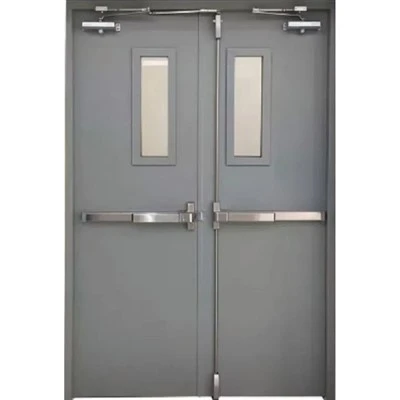
Let’s cut to the chase first—yes, they are. But it’s not as simple as picking a random tinted glass and pairing it with a fire rated frame. There’s a lot of science, testing, and code compliance that goes into making this work, and it’s something I’ve spent years refining for my own product line. If you’re wondering how this balance works, and what you need to know before specifying a tinted fire rated window for your next project, let’s break it down.
First, let’s go back to the basics of what makes a window fire rated, because that’s the foundation here. A standard fire rated window isn’t just a window with a label stuck on it. It’s an assembly—frame, glass, seals, and any hardware—all tested to strict standards like ASTM E119 (the US standard for fire tests of building materials and structures) or EN 16034 (the European standard for pedestrian doorsets, windows, and glazing systems). The test measures two core things: how well the window resists flame and heat transfer, and how long it can stand up to a full fire exposure, usually measured in hours (1-hour, 2-hour, or 3-hour ratings are the most common).
For the glass part of this assembly, traditional fire rated glass options have historically been limited to products like wired glass, which is metal laced into the pane, or ceramic glass, which is designed to expand and form a heat-resistant insulating layer when exposed to fire. Wired glass has fallen out of favor for a lot of reasons—it can crack easily from impact, and it doesn’t offer the same level of heat resistance as newer options. Ceramic glass works, but it’s usually clear, not tinted, which is why builders started asking for tinted versions. That’s where the work starts.
Tinted glass, at its core, is made by adding metal oxides (like iron, cobalt, or selenium) to the glass batch during manufacturing. Those oxides give the glass its color and tint, and they also reduce visible light transmission (VLT) and sometimes block infrared light, which helps with heat control for energy efficiency or glare reduction. The problem is, those same properties can interfere with a fire rated assembly’s performance. Let me explain why.
When a fire hits a window, the glass is exposed to extreme heat—up to 1200°C (2192°F) in a standard ASTM E119 test. A successful fire rated glass needs to stay intact enough to prevent flames from passing through, and it has to act as a barrier to radiant and conductive heat on the unexposed side (the side facing the inside of the building, where people and property are). If the glass is tinted with certain metals, those can alter the way the glass expands and contracts when heated, or create hot spots that cause the pane to crack or break before the test is complete. That’s why early attempts to pair tinted glass with fire rated frames often failed during testing.
But over the last 15 years, glazing manufacturers and fire protection specialists have figured out how to tweak the tinting process to make it compatible with fire rated assemblies. The key here is choosing the right type of tint, and making sure the entire assembly (frame, seals, glass) is tested as a single unit, not just the glass alone.
Not all tints are equal when it comes to fire rated performance. The most common tint that works with fire rated windows is what we call body-tinted glass, where the color is integrated into the glass during manufacturing, not applied as a coating (coated tints, like low-e films, rarely work because they can peel or off-gas when heated during a fire, compromising the seal). Even among body tints, some are better than neutral for fire performance. For example, gray and bronze tints, which use iron oxide as the primary tinting agent, have been tested and proven compatible with both ceramic and intumescent fire rated glasses. Intumescent glass is a newer type of fire rated glass that, when heated, swells into a thick, opaque insulating layer that blocks heat and flame—this works especially well with tinted versions, because the intumescent layer doesn’t interact with the tint in a way that breaks down performance.
We tested our first line of tinted 1-hour fire rated windows back in 2012, and we failed three times before we got it right. The first two tests failed because the bronze tint we’d chosen was too high in iron content, which caused the glass to expand unevenly during the test, leading to cracks that let heat through. The third test used a lighter gray tint, and we worked with the glazer to adjust the oxide ratio to ensure it matched the expansion rate of our intumescent glass. That window passed ASTM E119 with a full 1-hour rating, and since then, we’ve expanded that line to 2-hour ratings, and multiple tint colors—including bronze, gray, and even a light smoke tint that’s popular for commercial storefronts and residential exterior windows.
But here’s the critical part: a tinted fire rated window isn’t just tinted glass in a fire rated frame. It’s an assembly that has to be tested as a whole. A lot of building owners or contractors will try to cut costs by buying a standard off-the-shelf fire rated frame, buying a cheap tinted glass from a big box store, and combining them, then assuming it’s compliant. That’s a mistake. The seals between the glass and the frame, the hardware, and even the way the window is installed into the wall all affect fire performance. For example, if the seal between the glass and frame isn’t intumescent (meaning it expands when heated to close gaps), flames can seep through, even if the glass and frame are both rated for fire. We always advise customers to buy the entire assembly from a manufacturer that has third-party test data for that specific combination—don’t mix and match components, even if they claim to be fire rated.
Another common question I get: Does tinting affect the performance of the fire rated window beyond the tint itself? For most standard tinted fire rated windows, the answer is no. The tint’s only job is to reduce light transmission, and as long as it’s properly formulated, it doesn’t interfere with the glass’s ability to form a heat-resistant barrier. That said, there are some caveats. If you’re using a very dark tint (VLT below 20%), some of those metal oxides can alter the glass’s thermal properties, which might require a slight adjustment to the frame’s insulation to maintain the fire rating. We recommend checking with your supplier to confirm that the tint level you want is compatible with the rating you need. For example, our 1-hour tinted windows are available in tints down to 15% VLT without any loss of rating, but darker tints require additional testing and a slightly modified frame.
There are also niche use cases where tinted fire rated windows are especially useful. For example, in commercial office buildings, tinted fire rated windows can cut down on glare from sunlight, reducing the need for interior blinds and lowering energy costs, while still meeting code requirements for fire safety. In multi-family residential buildings, tinted fire rated windows on upper floors can help with privacy, which is a big selling point for tenants, without sacrificing the fire protection that’s required for exterior walls. We’ve also supplied tinted fire rated windows to hospitals and schools, where both safety and aesthetic appeal are top priorities.
But let’s talk about the codes for a second, because that’s what really drives this. In the US, the International Building Code (IBC) requires that any window in a fire-rated wall (walls that separate buildings, or walls that divide different fire compartments inside a single building) must be a fire rated window. The IBC doesn’t explicitly prohibit tinted glass in these windows, but it does require that the entire assembly meets the standard. For architects, that means specifying a window that has a third-party label confirming it’s tested to ASTM E119, and that the tint is part of the tested assembly. If you’re in Europe, the process is similar, following EN 16034, and again, the key is that the entire assembly is certified, not just the glass.
I’ve seen a lot of confusion from contractors who assume that tinted fire rated windows are a new product, but the truth is, they’ve been around in some form since the early 2000s. The difference now is that manufacturing processes have improved, so tinted fire rated windows are more affordable and more widely available than they were 10 years ago. When we first launched our line, tinted fire rated windows cost about 30% more than clear versions, but today, that premium is down to around 10%, because the technology has scaled.
That said, not all fire rated windows can be tinted. For example, windows with a 3-hour rating are less likely to be available in tinted versions, because the glass has to maintain its integrity for a much longer time, and some tints can break down over extended heat exposure. We do have 3-hour tinted windows, but they’re a custom product, so they require more lead time and testing. Also, if you’re looking for a fire rated window with a low-e coating for energy efficiency, you have to make sure the low-e coating is applied to the inside of the glass pane (not the exposed side) so it doesn’t interact with the fire testing.
Another thing to consider: maintenance. Tinted glass is no harder to maintain than clear glass, but with fire rated windows, you have to make sure that the glass doesn’t get damaged over time. If a tinted fire rated window is cracked or chipped, you can’t just replace it with a standard tinted glass pane—you have to replace it with a pane that’s part of the same tested assembly, otherwise the fire rating is void. That’s why it’s important to work with a supplier that offers replacement glass for their tinted fire rated windows, so you don’t have to re-test the entire assembly if a pane is damaged.
Let me give you an example of a recent project where tinted fire rated windows made a big difference. Last year, we worked with a developer on a mixed-use building in downtown Chicago. The building had a 2-hour fire-rated exterior wall on the side facing a neighboring property, and the developer wanted tinted windows on the ground-floor retail space to match the storefront’s aesthetic, which used bronze-tinted glass. Originally, the developer planned to use clear fire rated windows, but when they saw our tinted versions, they were able to keep the look of the storefront consistent, while still meeting the IBC’s fire code requirements. We supplied 42 tinted 2-hour fire rated windows for that project, and they passed all inspections on the first try.
So, to circle back to the original question: Are fire rated windows available with tinted glass? Absolutely. But they’re not a one-size-fits-all product, and you can’t just pair any tinted glass with any fire rated frame. The key is to work with a reputable fire rated window supplier that has third-party test data for their tinted assemblies, that can guide you on the right tint, rating, and configuration for your project, and that can provide compliant replacement parts if needed.

If you’re currently designing a project and considering tinted fire rated windows, or if you have questions about whether a specific tint or rating is right for your application, I’m here to help. As someone who’s been in the fire rated window business for over a decade, I’ve helped hundreds of customers navigate this exact balance between safety and aesthetics, and I can walk you through the testing, code requirements, and product options to make sure you get the right solution for your needs. Reach out to discuss your project requirements and request a quote for tinted fire rated windows.
Fire Door References
ASTM E119-23, Standard Test Methods for Fire Tests of Building Construction and Materials
EN 16034:2014, Pedestrian doorsets, windows, curtain walling, grilles and shutters – Product standard, performance characteristics
International Building Code (IBC) 2021, Chapter 7: Fire and Smoke Protection Features
Hebei Hong’an Fire Door Co. Ltd.
Hebei Hong’an Fire Door Co., Ltd. is one of the most professional fire rated window manufacturers and suppliers in China, featured by quality products and low price. Please rest assured to wholesale advanced fire rated window made in China here from our factory. Customized orders are welcome.
Address: Bianbian Industrial Zone, Hejian City, Cangzhou City, Hebei Province, China
E-mail: hongandoor@outlook.com
WebSite: https://www.honganfd.com/
