Hey there! I’m a supplier of reservoir bags, and today I wanna talk about how these nifty little things interact with humidifiers. It’s a topic that’s super important in the medical field, and I’ve seen firsthand how the right combo can make a huge difference in patient care. Reservoir Bags

First off, let’s quickly go over what reservoir bags and humidifiers are. Reservoir bags are basically flexible containers that store and deliver gases, usually oxygen or anesthetic gases. They’re a key part of anesthesia machines and respiratory therapy equipment. On the other hand, humidifiers add moisture to the gases being delivered. This is crucial because dry gases can irritate a patient’s airways, leading to discomfort and potential complications.
So, how do these two work together? Well, it all starts with the flow of gases. The reservoir bag acts as a buffer. When the ventilator or anesthesia machine pushes gas into the system, the reservoir bag fills up. It stores this gas until it’s needed by the patient. Meanwhile, the humidifier is working its magic. It takes the dry gas that’s either coming from the gas source or the machine and adds moisture to it.
The humidified gas then makes its way to the reservoir bag. This is where things get interesting. The reservoir bag needs to be able to handle the humidified gas without any issues. You see, moisture can cause problems if the bag isn’t designed right. For example, if the material of the reservoir bag isn’t moisture – resistant, it can lead to condensation inside the bag. This condensation can not only reduce the effectiveness of the gas delivery but also potentially become a breeding ground for bacteria.
That’s why at our company, we’ve spent a lot of time researching and developing reservoir bags that are compatible with humidifiers. Our bags are made from high – quality, moisture – resistant materials. They can handle the humidified gas without getting soggy or developing condensation problems. This means that the gas remains clean and effective as it travels from the humidifier through the reservoir bag and into the patient’s airway.
Another aspect of this interaction is the pressure. The humidifier and the reservoir bag need to work in harmony when it comes to pressure. The humidifier adds resistance to the gas flow as it adds moisture. This can cause a slight increase in pressure. The reservoir bag has to be able to adapt to these pressure changes. If it can’t, it might lead to issues like the bag not filling or emptying properly, which can disrupt the gas delivery to the patient.
Our reservoir bags are designed with pressure fluctuations in mind. They’ve got a certain flexibility that allows them to expand and contract as the pressure changes. This way, they can maintain a steady flow of the humidified gas to the patient, regardless of the pressure changes caused by the humidifier.
Now, let’s talk about the benefits of having a good interaction between reservoir bags and humidifiers. Firstly, it improves patient comfort. When the gas is humidified, it’s a lot easier on the patient’s airways. There’s less irritation, and the patient is less likely to feel dryness or discomfort in their throat, nose, and lungs.
Secondly, it can enhance the effectiveness of the therapy. Whether it’s oxygen therapy or anesthesia, the humidified gas is better absorbed by the body. This means that the patient can get more of the benefits from the treatment, and the overall outcome can be improved.
In addition, a proper interaction between the two reduces the risk of complications. As I mentioned earlier, dry gases can irritate the airways and potentially lead to infections. By using a humidifier with a compatible reservoir bag, we can minimize these risks and keep the patient’s airways healthy.
I’ve seen cases where the wrong combination of reservoir bags and humidifiers has caused problems. For instance, in one hospital, they were using a regular reservoir bag that wasn’t designed to work with a high – powered humidifier. There was so much condensation inside the bag that it started to block the gas flow. This not only made the patient uncomfortable but also made it difficult to deliver the right amount of gas. Once they switched to our reservoir bags, the problem was solved, and the therapy was much more effective.
So, if you’re in the market for reservoir bags, especially ones that work well with humidifiers, you’ve come to the right place. We’ve got a wide range of products that are specifically designed for this purpose. Our team has years of experience in the field, and we’re always willing to help you find the perfect solution for your needs.
Whether you’re a hospital, a clinic, or a respiratory therapy provider, we can offer you top – notch reservoir bags that will interact seamlessly with your humidifiers. We understand that patient care is your top priority, and we’re here to support you in providing the best possible treatment.
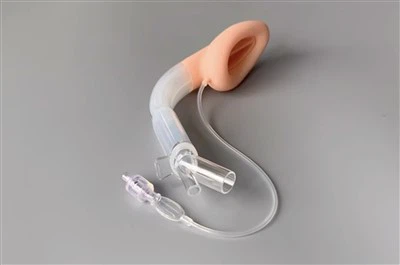
If you’re interested in learning more about our products or have any questions about how our reservoir bags interact with humidifiers, don’t hesitate to reach out. We’re just a message or a call away, and we’re eager to start a conversation with you. Let’s work together to improve patient care and make a difference in the medical field.
Veress Needles References:
- "Respiratory Therapy Equipment: Principles and Practice"
- "Anesthesia Equipment: Principles and Applications"
Hangzhou Benzgum Medical Technology Co., Ltd.
Hangzhou Benzgum Medical Technology Co., Ltd. is one of the most professional reservoir bags manufacturers and suppliers in China, featured by quality products and good service. Please rest assured to wholesale custom made reservoir bags from our factory. Contact us for OEM&ODM service.
Address: Room 708, 7th Floor, Building 4, Haichuang Technology Center, No. 1288 Wenyi West Road, Yuhang District, Hangzhou City
E-mail: yang@surgicasupply.com
WebSite: https://www.surgicasupply.com/
