What is the efficiency of the self – cleaning process in a solar street light?
As a supplier of self – cleaning solar street lights, I’ve been deeply involved in understanding and optimizing the efficiency of the self – cleaning process in these innovative lighting solutions. In this blog, I’ll share insights into what this efficiency means, the factors that influence it, and how it impacts the overall performance of solar street lights. Self-cleaning Solar Street Light
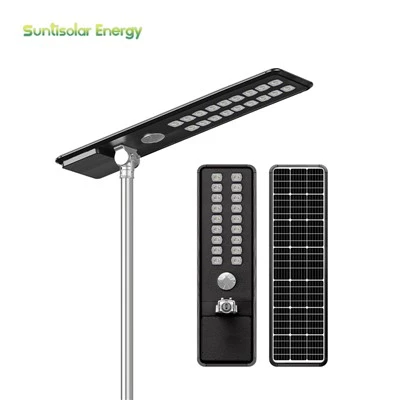
Understanding the Self – Cleaning Process in Solar Street Lights
The self – cleaning process in solar street lights is designed to address one of the most significant challenges in solar energy utilization: dirt and debris accumulation on solar panels. Solar panels are the heart of solar street lights, converting sunlight into electricity. However, when dust, leaves, bird droppings, or other contaminants cover the panels, they can significantly reduce the amount of sunlight that reaches the photovoltaic cells. This reduction in light absorption leads to a decrease in power generation, which can ultimately affect the brightness and reliability of the street lights.
Self – cleaning mechanisms in solar street lights are engineered to remove these contaminants automatically, ensuring that the solar panels remain clean and can operate at peak efficiency. There are several types of self – cleaning technologies available, including hydrophobic coatings, mechanical wipers, and water – based systems.
Hydrophobic coatings are perhaps the most common self – cleaning solution. These coatings are applied to the surface of the solar panels and create a water – repellent effect. When it rains or when water is sprayed onto the panels, the water beads up and rolls off, taking the dirt and debris with it. This process is simple yet effective, as it requires no external power source and can be easily integrated into the design of solar street lights.
Mechanical wipers are another option. These systems use a motorized arm with a wiper blade to physically remove dirt from the surface of the solar panel. They are more complex than hydrophobic coatings and require additional power to operate, but they can provide a more thorough cleaning, especially in areas with heavy dust or debris.
Water – based systems involve spraying water onto the solar panels at regular intervals. The water helps to loosen and wash away dirt and contaminants. These systems can be effective, but they require a water source and a pump, which adds to the complexity and cost of the street light.
Measuring the Efficiency of the Self – Cleaning Process
The efficiency of the self – cleaning process can be measured in several ways. One of the most straightforward methods is to compare the power output of the solar street light before and after the cleaning process. A significant increase in power output indicates that the self – cleaning mechanism is working effectively to remove dirt and restore the panel’s ability to absorb sunlight.
Another way to measure efficiency is to monitor the cleanliness of the solar panel over time. This can be done through visual inspection or the use of sensors. If the panel remains relatively clean for an extended period, it suggests that the self – cleaning process is reliable and efficient.
The frequency of cleaning is also an important factor in measuring efficiency. A self – cleaning mechanism that requires frequent manual intervention or too many resources to operate may not be considered efficient. On the other hand, a system that can keep the solar panel clean with minimal energy consumption and maintenance is more likely to be deemed efficient.
Factors Affecting the Efficiency of the Self – Cleaning Process
Several factors can influence the efficiency of the self – cleaning process in solar street lights. One of the most significant factors is the type of contaminants in the environment. In areas with high levels of dust or sand, for example, a mechanical wiper or a water – based system may be more effective than a hydrophobic coating. Heavy rain can also play a crucial role in the effectiveness of a hydrophobic coating, as it relies on water to remove dirt. In regions with low rainfall, a more active self – cleaning mechanism may be required.
The angle and orientation of the solar panel also matter. A panel that is installed at an appropriate angle allows water to flow more easily off the surface, enhancing the self – cleaning effect. Additionally, a panel that is oriented towards the sun can receive more sunlight, which can help to dry the panel after the cleaning process and prevent the growth of algae or other organisms.
The quality of the self – cleaning technology itself is another critical factor. High – quality hydrophobic coatings, for example, are more durable and resistant to wear and tear, ensuring long – term efficiency. Similarly, well – designed mechanical wipers and water – based systems are more likely to operate effectively and require less maintenance.
Impact of Self – Cleaning Efficiency on Solar Street Light Performance
The efficiency of the self – cleaning process has a direct impact on the overall performance of solar street lights. When the solar panels are clean, they can generate more electricity, which means that the street lights can shine brighter and for longer periods. This is especially important in areas where reliable lighting is crucial for safety and security.
In addition to improving lighting performance, a highly efficient self – cleaning process can also extend the lifespan of the solar street lights. Dirt and debris can cause corrosion and damage to the solar panels over time, reducing their efficiency and durability. By keeping the panels clean, the self – cleaning mechanism helps to prevent this damage, ensuring that the street lights operate effectively for many years.
Furthermore, efficient self – cleaning can reduce maintenance costs. With a reliable self – cleaning system in place, there is less need for manual cleaning, which can be time – consuming and expensive. This makes solar street lights with high – efficiency self – cleaning technology a more cost – effective and sustainable lighting solution.
Achieving Optimal Self – Cleaning Efficiency
To achieve optimal self – cleaning efficiency, it’s essential to choose the right self – cleaning technology for the specific environment and application. This requires a thorough understanding of the local conditions, including the type of contaminants, rainfall patterns, and sunlight exposure.
Regular maintenance and monitoring are also crucial. Even the most efficient self – cleaning systems may require occasional checks to ensure that they are operating correctly. This can involve inspecting the hydrophobic coating for damage, checking the operation of the mechanical wiper, or ensuring that the water – based system has an adequate water supply.
Investing in high – quality self – cleaning solar street lights from a reputable supplier is another key factor. A reliable supplier will have the expertise and experience to design and manufacture street lights with efficient self – cleaning mechanisms, and they can provide ongoing support and maintenance services.
Conclusion and Call to Action

In conclusion, the efficiency of the self – cleaning process in solar street lights is a critical factor in determining their performance, lifespan, and cost – effectiveness. By understanding the different types of self – cleaning technologies, measuring their efficiency, and considering the factors that influence it, we can ensure that solar street lights operate at their best.
Solar Street Light At our company, we are committed to providing the highest – quality self – cleaning solar street lights. Our products are designed to deliver optimal efficiency, reliability, and performance, even in the most challenging environments. If you are in the market for self – cleaning solar street lights, we encourage you to reach out to us. We can provide you with detailed information about our products, help you choose the right solution for your needs, and answer any questions you may have. Contact us today to start a conversation about how our self – cleaning solar street lights can illuminate your space and contribute to a more sustainable future.
References
- "Solar Photovoltaic Technology: Research and Applications" – A comprehensive book on solar PV technology that includes information on solar panel maintenance and self – cleaning methods.
- Industry reports on solar street light technology and market trends, which often analyze the performance and efficiency of different self – cleaning mechanisms.
- Technical papers published in scientific journals focusing on the development and testing of self – cleaning technologies for solar panels.
Yantai Xutai New Energy Technology Co., Ltd.
Yantai Xutai New Energy Technology Co., Ltd. is one of the most professional self-cleaning solar street light manufacturers and suppliers in China. With a professional production team, we are able to meet the needs of the majority of our customers. Please rest assured to buy premium self-cleaning solar street light made in China here from our factory.
Address: No.229, Tongshinan Road, Zhifu District, Yantai City, Shandong Province, China
E-mail: Joe.chu@suntisolar.com
WebSite: https://www.suntisolar.com/
