In the realm of chemical dosing systems, pH sensors play a pivotal role in ensuring the accurate and efficient delivery of chemicals. As a supplier of chemical dosing systems, I’ve witnessed firsthand the critical importance of these sensors in maintaining the optimal performance of various industrial processes. In this blog post, I’ll delve into the inner workings of pH sensors, explain how they function within a chemical dosing system, and highlight their significance in achieving precise chemical control. Chemical Dosing System
Understanding pH and its Importance
Before we dive into the mechanics of pH sensors, let’s first understand what pH is and why it matters. pH is a measure of the acidity or alkalinity of a solution, ranging from 0 to 14. A pH of 7 is considered neutral, while values below 7 indicate acidity and values above 7 indicate alkalinity. In many industrial processes, maintaining a specific pH level is crucial for ensuring product quality, process efficiency, and environmental compliance.
For example, in water treatment plants, the pH of the water must be carefully controlled to ensure the effectiveness of disinfection processes and prevent the corrosion of pipes and equipment. In the food and beverage industry, pH control is essential for maintaining the taste, texture, and shelf life of products. In chemical manufacturing, precise pH control is necessary for the synthesis of high-quality chemicals and the prevention of unwanted side reactions.
How pH Sensors Work
pH sensors are devices that measure the hydrogen ion concentration in a solution, which is directly related to the pH value. There are several types of pH sensors available, but the most common type is the glass electrode pH sensor. This type of sensor consists of a glass membrane that is sensitive to hydrogen ions, a reference electrode, and a pH meter.
The glass membrane of the pH sensor is made of a special type of glass that contains a thin layer of hydrated silica. When the sensor is immersed in a solution, hydrogen ions from the solution interact with the hydrated silica layer, causing a change in the electrical potential across the glass membrane. This change in potential is proportional to the hydrogen ion concentration in the solution and is measured by the pH meter.
The reference electrode provides a stable electrical potential against which the potential of the glass electrode can be measured. The most common type of reference electrode is the silver-silver chloride electrode, which consists of a silver wire coated with silver chloride and immersed in a solution of potassium chloride.
The pH meter is a device that measures the electrical potential difference between the glass electrode and the reference electrode and converts it into a pH value. The pH meter typically has a display that shows the pH value of the solution being measured.
pH Sensors in Chemical Dosing Systems
In a chemical dosing system, pH sensors are used to monitor the pH of the process solution and provide feedback to the dosing controller. The dosing controller uses this information to adjust the flow rate of the chemical being dosed into the solution, ensuring that the pH remains within the desired range.
For example, in a water treatment plant, a pH sensor may be installed in the influent water stream to monitor the pH of the incoming water. If the pH of the water is too low or too high, the dosing controller will adjust the flow rate of the acid or base being dosed into the water to bring the pH back to the desired level.
In a chemical manufacturing process, a pH sensor may be installed in the reaction vessel to monitor the pH of the reaction mixture. If the pH of the reaction mixture is too low or too high, the dosing controller will adjust the flow rate of the acid or base being dosed into the reaction vessel to maintain the optimal pH for the reaction.
Benefits of Using pH Sensors in Chemical Dosing Systems
There are several benefits to using pH sensors in chemical dosing systems, including:
- Accurate pH control: pH sensors provide real-time feedback on the pH of the process solution, allowing for precise control of the chemical dosing process. This helps to ensure that the pH remains within the desired range, which is essential for maintaining product quality, process efficiency, and environmental compliance.
- Reduced chemical consumption: By accurately controlling the pH of the process solution, pH sensors can help to reduce the amount of chemicals used in the dosing process. This not only saves money on chemical costs but also reduces the environmental impact of the process.
- Improved process efficiency: pH sensors can help to improve the efficiency of the chemical dosing process by providing real-time feedback on the pH of the process solution. This allows for quick adjustments to be made to the dosing rate, which can help to prevent process upsets and improve overall process performance.
- Enhanced safety: pH sensors can help to enhance the safety of the chemical dosing process by providing early warning of potential problems. For example, if the pH of the process solution suddenly changes, the dosing controller can be programmed to shut off the chemical dosing system to prevent over-dosing or other safety hazards.
Choosing the Right pH Sensor for Your Chemical Dosing System
When choosing a pH sensor for your chemical dosing system, there are several factors to consider, including:
- Accuracy: The accuracy of the pH sensor is crucial for ensuring precise pH control. Look for a pH sensor with a high level of accuracy and a low level of drift.
- Range: The range of the pH sensor should be appropriate for the application. Make sure the sensor can measure the pH range of the process solution.
- Response time: The response time of the pH sensor is important for ensuring quick and accurate feedback. Look for a pH sensor with a fast response time.
- Durability: The pH sensor should be durable and able to withstand the harsh conditions of the process environment. Look for a pH sensor with a robust construction and a long service life.
- Compatibility: The pH sensor should be compatible with the chemical dosing system and the process solution. Make sure the sensor is made of materials that are resistant to the chemicals being used in the process.
Conclusion
In conclusion, pH sensors are an essential component of chemical dosing systems, providing real-time feedback on the pH of the process solution and allowing for precise control of the chemical dosing process. By using pH sensors, you can ensure accurate pH control, reduce chemical consumption, improve process efficiency, and enhance safety. When choosing a pH sensor for your chemical dosing system, make sure to consider factors such as accuracy, range, response time, durability, and compatibility.
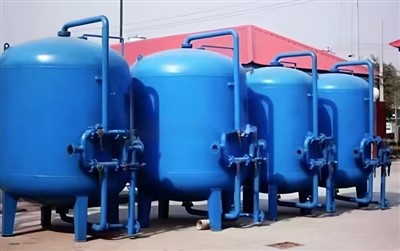
Multi-media Filter Tank If you’re interested in learning more about pH sensors and how they can be used in your chemical dosing system, please don’t hesitate to contact us. Our team of experts can provide you with more information and help you choose the right pH sensor for your application.
References
- "pH Measurement: Principles and Applications" by David C. Harris
- "Chemical Dosing Systems: Design, Operation, and Maintenance" by John A. Wankat
- "Water Treatment Handbook" by Metcalf & Eddy
Jinan Guangbo Environmental Protection Technology Co., Ltd.
We’re well-known as one of the leading chemical dosing system manufacturers and suppliers in China. With a professional production team, we are able to meet the needs of the majority of our customers. Please feel free to buy high quality chemical dosing system from our factory.
Address: No. 102, Commercial and Residential Building, 18th Floor, Tangye Academician Valley, Tangye Sub-district, Licheng District, Jinan City
E-mail: info@gbwwt.com
WebSite: https://www.gbwwt.com/
