Turning is a fundamental machining process that involves rotating a workpiece while a cutting tool removes material to create a desired shape. One of the most critical aspects of turning is the proper alignment of the workpiece. Incorrect alignment can lead to a host of problems, including poor surface finish, dimensional inaccuracies, and even tool breakage. As a turning supplier, I’ve encountered various challenges in workpiece alignment over the years. In this blog, I’ll share some effective methods and best practices for aligning the workpiece in turning. Turning

Understanding the Importance of Workpiece Alignment
Before delving into the alignment methods, it’s essential to understand why proper alignment is crucial. When a workpiece is not aligned correctly, the cutting forces are unevenly distributed. This can cause the tool to wear prematurely, resulting in a shorter tool life. Moreover, uneven cutting forces can lead to vibrations, which can negatively impact the surface finish of the workpiece. In extreme cases, misalignment can cause the workpiece to become unstable, leading to dangerous situations in the machining environment.
Proper alignment also ensures that the dimensions of the machined part are within the specified tolerances. This is particularly important in industries where precision is paramount, such as aerospace and medical device manufacturing. By aligning the workpiece accurately, we can produce high-quality parts that meet the strict requirements of our customers.
Methods of Workpiece Alignment
Using a Dial Indicator
A dial indicator is a precision measuring instrument that can be used to align the workpiece. It consists of a plunger that moves in response to the surface of the workpiece. The movement of the plunger is translated into a reading on the dial, which indicates the deviation from the desired position.
To use a dial indicator for alignment, first, mount the indicator on a magnetic base or a tool holder. Then, position the indicator so that the plunger is in contact with the surface of the workpiece. Rotate the workpiece slowly and observe the reading on the dial. If the reading varies, it indicates that the workpiece is not aligned. Adjust the position of the workpiece until the reading on the dial remains constant.
Center Drilling
Center drilling is a common method used to align the workpiece in turning. It involves drilling a small hole at the center of the workpiece. This hole serves as a reference point for the turning operation. To center drill the workpiece, first, mount the workpiece in the chuck or between centers. Then, use a center drill to create a small hole at the center of the workpiece. The center drill has a pointed tip that helps to accurately locate the center of the workpiece.
Once the center hole is drilled, the workpiece can be aligned using a live center or a dead center. A live center rotates with the workpiece, while a dead center remains stationary. By using a center, the workpiece can be supported and aligned along its axis, ensuring accurate turning.
Using a Collet
A collet is a type of chuck that can be used to hold and align the workpiece. Collets are available in various sizes and can be used to hold workpieces of different diameters. To use a collet, first, select the appropriate collet size for the workpiece. Then, insert the workpiece into the collet and tighten the collet using a collet nut. The collet will grip the workpiece tightly and align it along its axis.
Collets are particularly useful for holding small and precision workpieces. They provide a high degree of accuracy and repeatability, making them ideal for applications where tight tolerances are required.
Laser Alignment
Laser alignment is a modern method of workpiece alignment that uses a laser beam to measure and adjust the position of the workpiece. Laser alignment systems are highly accurate and can detect even the slightest deviations from the desired position.
To use a laser alignment system, first, mount the laser emitter and receiver on the machine tool. Then, position the workpiece in the machine and turn on the laser. The laser beam will project a line onto the workpiece, and the receiver will detect any deviations from the line. Based on the readings, the operator can adjust the position of the workpiece until it is properly aligned.
Best Practices for Workpiece Alignment
Clean the Workpiece and Machine Components
Before aligning the workpiece, it’s important to clean the workpiece and the machine components. Any dirt, debris, or chips on the workpiece or the machine can affect the alignment accuracy. Use a clean cloth or a brush to remove any contaminants from the workpiece and the machine.
Check the Machine Tool for Accuracy
The accuracy of the machine tool is crucial for proper workpiece alignment. Regularly check the machine tool for any signs of wear or damage. Make sure that the spindle, chuck, and other components are in good condition. If any issues are detected, have them repaired or replaced immediately.
Use the Right Tools and Equipment
Using the right tools and equipment is essential for accurate workpiece alignment. Make sure that the dial indicator, center drill, collet, and other tools are in good condition and are calibrated correctly. Using worn or damaged tools can lead to inaccurate alignment and poor-quality parts.
Take Your Time
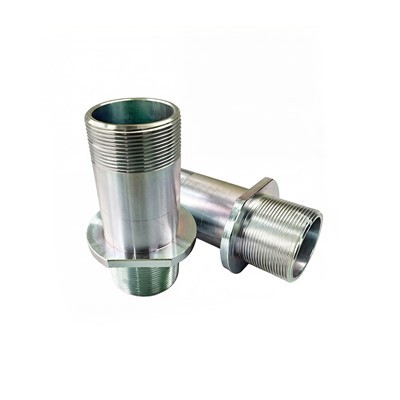
Aligning the workpiece is a precise process that requires patience and attention to detail. Don’t rush the alignment process. Take your time to ensure that the workpiece is properly aligned before starting the turning operation. This will help to avoid costly mistakes and ensure that the final part meets the required specifications.
Conclusion
Nut Proper workpiece alignment is a critical aspect of turning. By using the methods and best practices outlined in this blog, you can ensure that your workpieces are aligned accurately, resulting in high-quality parts and a more efficient machining process. As a turning supplier, we are committed to providing our customers with the best possible products and services. If you have any questions or need assistance with workpiece alignment or any other turning-related issues, please don’t hesitate to contact us. We would be happy to discuss your requirements and provide you with a customized solution.
References
- "Machining Fundamentals" by John A. Schey
- "Manufacturing Engineering and Technology" by Serope Kalpakjian and Steven R. Schmid
- "Precision Machining Technology" by John A. Schey
Shanghai Megood Metal Products Co., Ltd.
As one of the most experienced turning manufacturers and suppliers in China, we have world-leading production equipment and strong manufacturing capabilities. Please rest assured to wholesale bulk turning made in China here and get quotation from our factory. Customized orders are welcome.
Address: Building 8, No. 1500 Huiren Road, Waigang Town, Jiading District, Shanghai
E-mail: liujingshco@163.com
WebSite: https://www.mgx-hardware.com/
