Hey there! I’m working for a 6.35mm pitch connectors supplier. Today, I wanna talk about what the contact material of 6.35mm pitch connectors is. 6.35mm Pitch
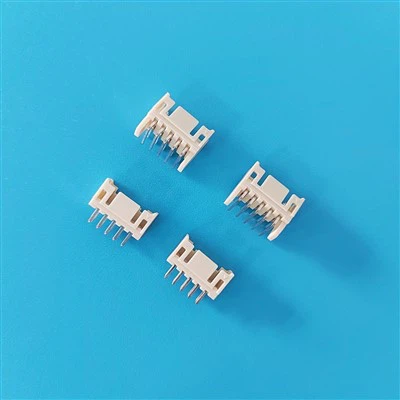
First off, let’s understand what 6.35mm pitch connectors are. The 6.35mm pitch refers to the distance between the centers of adjacent contacts in the connector. These connectors are widely used in various electrical and electronic applications, from industrial control systems to consumer electronics. They’re designed to provide a reliable connection between different components, ensuring the smooth flow of electrical signals.
Now, let’s get into the contact materials. The choice of contact material is super important as it directly affects the performance and reliability of the connector.
Copper Alloys
One of the most common contact materials for 6.35mm pitch connectors is copper alloys. Copper is a great conductor of electricity, which means it allows electrical current to flow through with very little resistance. This is crucial for minimizing power loss and ensuring efficient signal transmission.
There are different types of copper alloys used. For example, phosphor – bronze is a popular choice. It has good mechanical properties, such as high strength and elasticity. This makes the contacts durable and able to withstand repeated insertions and removals without deforming easily. Another copper alloy is brass. Brass is relatively inexpensive and easy to machine, which helps in the manufacturing process of the connectors. It also has decent electrical conductivity and corrosion resistance.
Silver
Silver is another excellent contact material. It has the highest electrical conductivity among all metals. This means that using silver contacts can result in even lower resistance and better signal transmission compared to copper alloys.
However, silver is more expensive than copper alloys. Also, silver can react with sulfur in the air to form a black sulfide layer, which can increase the contact resistance over time. To overcome this issue, some connectors use silver – plated contacts. The silver plating provides the high conductivity, while the underlying base material (usually a copper alloy) provides the mechanical strength.
Gold
Gold is often considered the premium contact material. It has excellent electrical conductivity, is highly corrosion – resistant, and doesn’t form an oxide layer like some other metals. This means that gold – plated contacts can maintain a stable and low contact resistance over a long period of time, even in harsh environments.
Gold – plated contacts are commonly used in high – end applications where reliability and performance are of utmost importance, such as in aerospace and medical devices. But again, gold is quite expensive, so it’s usually used in thin layers as a plating on a base metal.
Nickel
Nickel is sometimes used as a contact material or as an under – plating for other materials. It has good corrosion resistance and can provide a hard surface, which helps protect the underlying metal. Nickel – plated contacts are often used in applications where cost is a concern and the environmental conditions are not too extreme.
Factors Affecting Material Selection
When choosing the contact material for 6.35mm pitch connectors, several factors need to be considered.
Electrical Requirements
If the application requires high – speed signal transmission or low power loss, materials with high electrical conductivity like silver or gold are preferred. For applications with less strict electrical requirements, copper alloys may be sufficient.
Environmental Conditions
In harsh environments with high humidity, high temperatures, or exposure to chemicals, corrosion – resistant materials like gold or nickel – plated contacts are a better choice. If the connector is used in a relatively clean and stable environment, less expensive materials like brass can be used.
Cost
Cost is always a major factor in material selection. For large – scale production, using more expensive materials like gold may not be feasible. So, manufacturers often balance the cost with the performance requirements.
Mechanical Requirements
If the connector will be subjected to frequent insertions and removals, materials with good mechanical strength and elasticity, such as phosphor – bronze, are needed to ensure the contacts don’t break or deform easily.

As a 6.35mm pitch connectors supplier, we have a wide range of connectors with different contact materials to meet various customer needs. Whether you’re working on a small consumer electronics project or a large – scale industrial application, we can provide the right connectors for you.
0.80mm Pitch If you’re in the market for 6.35mm pitch connectors, we’d love to have a chat with you. We can discuss your specific requirements, recommend the most suitable contact materials, and offer competitive pricing. Don’t hesitate to reach out to us for a quote or to discuss your project in more detail. Let’s work together to find the perfect solution for your electrical connection needs.
References
- "Handbook of Electrical Contacts" – A comprehensive resource on contact materials and their properties.
- "Electrical Connector Design and Application" – This book provides in – depth knowledge about connector design and the role of contact materials.
Dongguan Yinglian Electronics Co., Ltd.
We’re well-known as one of the most professional 6.35mm pitch suppliers in China. With abundant experience, we warmly welcome you to buy bulk advanced 6.35mm pitch made in China here from our factory. If you have any enquiry about cooperation, please feel free to email us.
Address:
E-mail: James@csg-china.com
WebSite: https://www.csgconn.com/
