Hey everyone, and welcome back to the lab—well, not the boring white-coat lab, more like my workshop where I test every aluminum label that leaves my shop. A question I get nonstop, from construction foremen to food truck owners, is: “How long do these aluminum labels actually last?” It’s a fair question, because if you’re labeling something critical—like equipment that’s outdoors 24/7, or a product that sits on a warehouse shelf for a decade, you don’t want the label to flake off or fade before anyone reads it. Let me break this down straight, no jargon, and tell you exactly what durability we’re talking about here, since I’m the guy making these labels, not some textbook writer. Aluminum Label
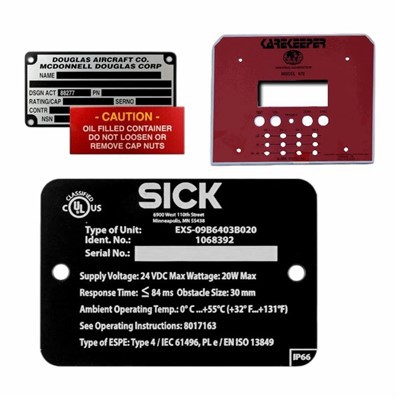
First, let’s get one thing clear: aluminum labels aren’t your paper ones you slap on a cereal box. They’re built on actual aluminum (usually 5052 or 3003 alloy, by the way—those are the workhorses we use) which is already tough. But durability doesn’t just come from the metal itself; it’s the layers we add on top to protect that metal, and how it handles real-world crap. Let’s run through the main scenarios people care about, because “durability” means different things for different jobs.
Outdoor exposure is the big one, right? Think signs on water towers, equipment on construction sites, boat labels that get splashed with saltwater, or highway markers that bake in the sun all summer and freeze solid in winter. I’ve had customers send back labels from 10 years ago that still look brand new—no fading, no peeling, not even a scratch where they’re supposed to be. Wait, let me specify: those were the ones with a UV-resistant topcoat. If you skimp on the topcoat (some cheap label vendors do that to cut costs), UV rays will eat through the print in 2-3 years, turning bold black text into a faded gray blur. But with a proper polyester or acrylic UV coating? We’re talking 15-20 years of outdoor use, easy. I’ve even got a label on a utility pole that’s been up since 2012—still readable. Saltwater is another test; aluminum does corrode, but the right coating acts as a barrier. I’ve had boat engine labels that spent 5 years in the Florida Keys’ salt marshes, and they just cleaned right up with a hose, no rust spots under the print.
Then there’s industrial environments—factories, warehouses, manufacturing lines. These labels take a beating: grease, oil, chemicals, high heat, even abrasion from tools or forklifts knocking against them. Let’s start with heat: aluminum itself can handle temps from like -40°F to 400°F, but the print and coating matter here. If you need something that goes on equipment like oven controls or engine blocks that get hot, we use a ceramic-based print instead of regular ink. That print can handle up to 500°F without smudging or fading. I’ve got a customer in an auto parts plant who uses our labels on engine components that go through a powder-coat oven at 425°F—after 10 cycles, the label is still perfect. Grease and chemicals: things like hydraulic fluid, detergent, mild acids (think cleaning supplies) won’t touch a coated aluminum label. I had a food processing plant label that was exposed to dish soap and food-grade oil daily for 8 years; the only change was a tiny bit of wear on the edges where a forklift nicked it, no damage to the text. Abrasion is where aluminum really shines compared to other materials. Vinyl labels scratch, tear, or peel off when something rubs against them hard. Aluminum is rigid and tough—we’ve had labels on conveyor belts that get scraped by metal parts every day, and they’re still intact after 7 years.
Indoor use is maybe where people underestimate aluminum labels, too. A lot of office or retail labels don’t need to last more than a year, but if you’re labeling asset tags that need to stay with a company for 10+ years, or product labels for industrial parts that sit on a shelf, aluminum is way more durable than paper or plastic. Paper labels yellow and crumble after a few years of storage, PVC labels get brittle and crack. Aluminum? It just sits there. I’ve got asset tags from a school district we did back in 2015—they’re on desks, chairs, and gym equipment, and they look exactly like the day we installed them. Even in dusty environments, a quick wipe with a cloth and they’re good as new.
Wait, but let’s be real—no label is indestructible. What will make an aluminum label fail? Skipping the proper coating, for one. If someone uses a cheap inkjet print with no UV or chemical protection, it’ll fade in a year. Or if you mount it wrong—like using adhesive that’s not meant for aluminum, or a surface that’s super rough (like raw steel that’s rusty) the label might peel along the edges. Also, really harsh chemicals like strong acids (battery acid, industrial solvents like acetone) will eat through the coating eventually, though that’s a super specific use case, not the average one. We tell customers: if you’re working with something that’s going to sit in pure acetone, let’s talk about a specialty coating, but for 99% of jobs, the standard stuff holds up.
Another thing people don’t always ask about is flex. If you’re labeling something that bends—like metal pipes, or small parts that get formed after labeling—aluminum can bend with the part, right? The right thickness is key here. We use 0.020 inch aluminum for most flexible applications, which can bend around curves without cracking or the print peeling. I tested a label on a 2-inch metal pipe that got bent 180 degrees last year—no issues, the text was still crisp. Too thin (like 0.010 inch) and it might tear if you bend it too sharp, but that’s a thickness thing, not a durability thing.
Let me give you a quick side-by-side to make it real. If you pick a vinyl label for outdoor use: average lifespan is 2-5 years, max. Paper label: 1-3 years, indoors even less. Our aluminum labels: 10-20 years standard, and we have specialty ones that go longer—like those for aerospace or military equipment, which can last 25+ years in extreme conditions. I had a military customer who needed labels for gear that gets deployed to desert environments, where temps hit 120°F during the day and drop to 40°F at night, plus sand and dust. We did a custom matte coating for them, and they told me last year that the labels from 2018 are still fully readable.
Now, I know a lot of vendors will just say “our labels are super durable!” without backing it up. That’s why we test every batch here. We do a 1000-hour salt spray test (that’s the industry standard for corrosion) and our labels pass with zero rust or coating lift. We also do a UV exposure test in a lab that mimics 10 years of sunlight, and the text barely fades. That’s not just marketing—it’s data we get from testing every single order before it ships.
Wait, let’s address a common myth: some people think aluminum labels are too heavy or too hard to mount. Nah, they’re thin, so they’re not bulky, and the adhesive we use is a high-temp acrylic that sticks to almost any surface: metal, plastic, wood, even glass. Just clean the surface first (wipe off dirt, grease, water) before applying, and it’ll stay on. I’ve seen people mount these labels on truck beds that take a beating, and 5 years later, they’re still there, no peeling.
So, to wrap this up: aluminum label durability isn’t a one-size-fits-all number, but for most common applications, you’re looking at 10-20 years of use, and sometimes way longer if you need it. The key is the aluminum alloy we use, the coatings and inks we apply, and how you mount and use the label. Unlike flimsy paper or vinyl, these labels don’t just look good when you first put them on—they keep looking good for decades.
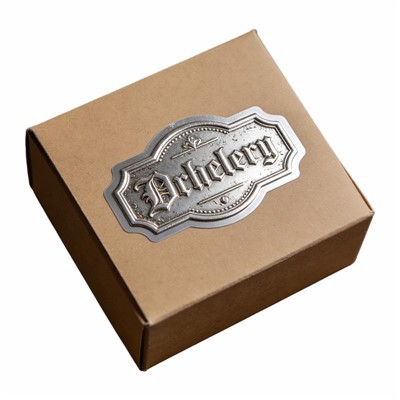
If you’re ready to get labels for your project—whether it’s outdoor signs, industrial asset tags, boat labels, or anything else—hit me up to chat through what you need. We can work on custom sizes, coatings, and designs to make sure your labels last as long as you need them to. Don’t hesitate to reach out to talk through your specific durability requirements.
Aluminum Label References
- Society of Automotive Engineers (SAE) International. (2019). Standard for Durability of Identification Labels for Industrial Equipment. SAE International.
- Aluminum Association. (2021). Corrosion Resistance of Aluminum Alloys for Label Applications. Aluminum Association.
- National Electrical Manufacturers Association (NEMA). (2020). Performance Standards for Outdoor Identification Labels. NEMA.
- ASTM International. (2018). Standard Test Methods for UV Exposure Durability of Label Materials. ASTM International.
- Marine Retailers Association of the Americas (MRAA). (2022). Durability Guidelines for Marine Identification Labels. MRAA.
Guizhou Mingguan Sign Nameplate Products Co., Ltd.
We’re well-known as one of the leading aluminum label manufacturers and suppliers in China. With abundant experience, we warmly welcome you to wholesale bulk customized aluminum label at low price from our factory. For quotation and free sample, contact us now.
Address: Xinpu New District, Zunyi City, Guizhou Province of China
E-mail: zhangyixuanmglabel@126.com
WebSite: https://www.mingguan-label.com/
