If you’ve ever stood next to a storefront window, watched a car crash test, or stared through a skyscraper’s glass facade, you’ve probably heard terms like “laminated glass” and “tempered glass” thrown around. But if you’re shopping for glass for a project—whether it’s a store renovation, a residential window upgrade, or a custom car build—mixing these two up can lead to big headaches later. As a laminated glass supplier, I get tons of questions from folks who think they’re the same thing, or that one’s just a “tougher version” of the other. Spoiler: that’s not even close. Let’s break this down like we’re chatting over a coffee, no stuffy lab jargon required. Laminated Glass
First, let’s start with the basics of how each is made, because that’s where all their differences start. Tempered glass (sometimes called “toughened glass” depending on where you’re from) is a single piece of regular glass that’s been heated way up—like 1,200 degrees Fahrenheit, hot enough to make it soft as butter—and then blasted with cold air on both sides super fast. That quick heat-up and cool-down creates tension: the outer layers of the glass are squeezed tight, while the inside is pulled. The result? It’s way stronger than regular glass, like 4 to 5 times more impact-resistant. But here’s the big catch: if tempered glass does break, it shatters into millions of tiny, pea-sized pieces instead of sharp, shard-like chunks. That’s why it’s used for car side windows, phone screens, and shower doors—safety, right?
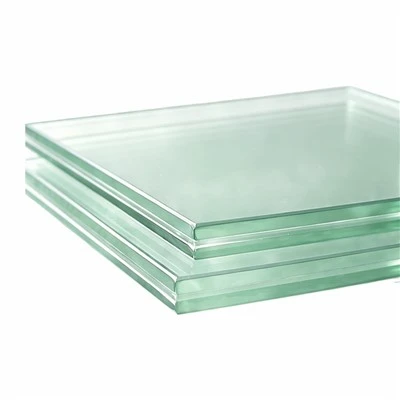
Laminated glass? Not a single piece at all. It’s two (or more) thin sheets of regular glass, stuck together with a super tough, flexible layer of plastic called PVB (polyvinyl butyral) in between. The whole stack is heated and pressed under high pressure so the PVB fuses permanently to the glass. No sudden heat or cool-down tricks here. The strength comes from that middle plastic layer, not the glass itself. So where tempered glass breaks into tiny bits, laminated glass doesn’t—if something hits it, the glass cracks, but the PVB holds all the pieces together like a clear, strong glue. That’s the safety game-changer right there.
Let’s put that to a real test. Say a baseball flies through a backyard: if it hits a tempered glass window, it might crack, but if it hits hard enough, it’ll probably shatter all over the grass. If it hits laminated glass? The glass cracks, but the ball stops mid-way through—the PVB keeps the whole assembly from breaking apart. If a rock hits your car’s windshield? That’s laminated glass, 100%—you get a star-shaped crack, but the windshield doesn’t collapse, and you don’t get glass in your face. If it were tempered, a rock would turn it into a million tiny pieces, which would be way worse for driving.
Now, let’s talk about common use cases, because that’s where people really need to pick the right one. Tempered glass is for things where you want strength and that “safe shatter” rule. Think: shower enclosures, glass table tops, car side and rear windows, storefronts where you don’t want random shards flying if someone bumps into the glass. But it’s not for high-risk areas, like windshields or building facades that need to stand up to severe impact. Laminated glass is for those high-stakes safety spots: windshields, skylights, atrium roofs, bank teller barriers, even soundproof windows (the PVB layer is great at blocking noise, which is a huge perk). It’s also used for hurricane-prone areas, because it can withstand wind-blown debris without breaking apart.
Wait, what about cost? I get asked that a lot. Laminated glass is usually a bit more expensive than tempered glass, right? Because it’s two glass sheets plus that PVB layer, and the manufacturing process is more hands-on (no quick heat blast here, it’s a slower, fusing process). But when you factor in what you need it for, that extra cost is often worth it. If you’re putting in a residential skylight, you can’t risk a shattering glass falling on someone’s head—laminated is non-negotiable. If you’re replacing a bathroom shower door, tempered is the way to go, because it’s cheaper and fits the space without needing that extra layer.
Another big difference: scratch resistance. Tempered glass is harder, so it doesn’t scratch as easy as laminated glass. If you’re putting a glass table top in a busy kitchen with kids who use markers, tempered will hold up way better than laminated, which can get scuffed over time. But laminated has its own perks: it’s better for UV protection. The PVB layer blocks most harmful UV rays, which means your furniture, artwork, or floors won’t fade as fast if they’re behind laminated glass. That’s a huge win for storefronts or museum exhibits.
Let’s bust a common myth: “Laminated is just tempered with plastic.” No way. They’re made entirely differently, and they break in opposite ways. If someone tries to sell you a “laminated tempered glass,” that’s not a standard product—more like a marketing term, maybe, but not something we offer. Our laminated glass is always two glass sheets fused with PVB, no tempering involved. That tempering process only works on single glass pieces, so you can’t temper a laminated stack anyway.
Wait, what about repair? If tempered glass cracks, you can’t really repair it—once it’s cracked, the tension is messed up, and it’s only a matter of time before it shatters all over. Laminated glass, though? If the outer glass gets a small chip or crack, a lot of times you can just replace that single glass sheet, no need to swap the whole assembly. That’s a big plus for car windshields, where chips are super common.
Now, let’s talk about when people mix them up and run into issues. A customer once came to me a few years back, they had a retail store, and they’d installed tempered glass for the front entrance instead of laminated. Six months later, a kid ran into it with a bike, and the glass shattered all over the sidewalk. They were lucky no one got hurt, but they had to pay for a whole new installation, and the store was closed for a day. If they’d gone with laminated, the glass would have cracked but stayed together, no replacement needed right away, and no safety risk.
Another example: a homeowner wanted a glass fence for their backyard. They thought tempered would be cheaper, so they ordered it. Last summer, a tree branch fell on it, and the whole fence shattered into tiny bits, landing all over their lawn. They ended up replacing it with laminated, which stood up to another big branch fall a year later, no damage beyond a small surface crack.
So how do you know which one you need? Let’s make a quick cheat sheet, no confusing charts. If your project needs to: stop impact, keep glass from shattering, block noise or UV rays—go with laminated. If you need strength, safe shattering (no big pieces), scratch resistance, and lower cost for interior, low-risk areas—tempered is fine.
As a laminated glass supplier, I always tell folks to ask themselves two questions first: what’s the glass going to protect, and what happens if it breaks? If the answer is “people, or expensive stuff” or “if it breaks, it can hurt someone,” laminated is the call. If it’s “just a table top that might get bumped,” tempered works.
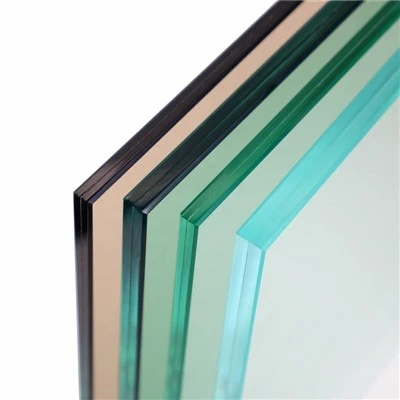
Also, don’t sleep on custom orders. We do all sorts of laminated glass: tinted for privacy, soundproofed for home offices, even bullet-resistant for businesses. Tempered is more standardized, but laminated can be tailored to almost any project, which is why it’s so popular these days for modern builds.
Wait, one more thing: durability over time. Laminated glass holds up better to temperature changes, too. If you live in a place that gets super hot in the summer and cold in the winter, laminated won’t warp or crack as easy as tempered. Tempered can develop stress cracks if exposed to extreme temp swings, especially if something hot is set on it (like a hot pan on a glass table—tempered might crack suddenly, whereas laminated would just get a small heat mark).
Let me wrap this up: the core difference boils down to structure and purpose. Tempered is a single, treated piece that breaks small for safety. Laminated is two glass sheets bonded with plastic that stays intact on impact for safety. Neither is “better”—just different for different jobs. If you’re not sure which fits your project, that’s what we’re here for. We don’t push one over the other; we walk you through your needs, your budget, and what will work long-term. Whether you’re a contractor ordering a storefront, a homeowner doing a bathroom reno, or a car customizer fixing a windshield, we’ve got the glass you need.
If you’re ready to chat through your project details, get a quote, or ask any follow-up questions about laminated or tempered glass, just reach out. No sales pitch, no hard sell—just straight talk about what will work for you.
Insulated Glass References
- Glass.com. (2023). "Laminated vs. Tempered Glass: Key Differences and Uses." Glass.com.
- American National Standards Institute (ANSI). (2022). "Safety Glazing Requirements for Buildings." ANSI Z97.1.
- PVB Industry Association. (2021). "Properties and Applications of Polyvinyl Butyral in Laminated Glass." PVBIA Technical Bulletin.
- Automotive Glass Safety Council (AGSC). (2023). "Windshield Construction and Impact Resistance Standards." AGSC Research Report.
- The Balcony Company. (2022). "Residential Glass Fence Materials: Tempered vs. Laminated." Balcony Design Journal.
Suzhou Dingcheng Tempered Glass Co., Ltd.
As one of the most professional laminated glass manufacturers and suppliers in China, we also support customized service. We warmly welcome you to wholesale high quality laminated glass made in China here from our factory. If you have any enquiry about free sample, please feel free to email us.
Address: No.777 Limin North Road, Lili Town, Wujiang District, Suzhou City, Jiangsu Province
E-mail: Dingchengglass@163.com
WebSite: https://www.dingchengglass.com/
