If you’ve ever ordered medication, supplements, or even some over-the-counter (OTC) health products, you might’ve noticed the little “HALAL” label on the packaging and paused—especially if you’re sourcing for a community that prioritizes these guidelines. As the owner of a HALAL capsule supplier that’s been operating for nearly 12 years, I get asked one question more than any other: “Are HALAL capsules made from natural ingredients?” It’s a fair question, and one that’s often muddied by misinformation, marketing buzzwords, and vague industry definitions. Today, I want to cut through the noise, share what we do at our facility, and break down the science behind HALAL capsule ingredients—no sales pitch, just straight talk from someone who’s spent his whole career navigating this space. HALAL Capsules

First, let’s get one thing straight: HALAL isn’t just a religious label—it’s a set of guidelines that govern everything from what’s allowed to how a product is manufactured, processed, and stored. For a capsule to be HALAL, every single part of it (not just the main active ingredient in the pill it holds) has to meet those standards. That means the capsule’s shell, the printing on it, the lubricants used in production, and even the cleaning solutions for equipment all have to pass HALAL audits. But “natural” is a trickier term. The FDA doesn’t have a legal definition for “natural” on supplement or pharmaceutical packaging, and that confusion is where most of the myths about HALAL capsules start.
When I first got into this business in 2012, I worked at a small pharma supply warehouse just outside Detroit, and half the orders we shipped were labeled “HALAL” without any proof. Back then, a lot of suppliers were cutting corners: they’d use gelatin capsules made from pork fat that were labeled HALAL to check a box, or they’d source plant-based capsules from suppliers that weren’t audited by any recognized HALAL body. I saw a batch of multivitamins that were sent back to a community health clinic because their “HALAL” capsules had a residual pork derivative—something no one had caught because the supplier hadn’t done their due diligence. That experience is what pushed me to start our own HALAL capsule company, where every step is transparent, and every ingredient’s origin is tracked from farm to finished capsule.
So let’s talk about the two most common types of capsules, because that’s where the ingredient story gets clear. The first is gelatin capsules, the oldest and most widely used type. For decades, gelatin capsules were made from animal collagen—usually cowhide, bones, or pork skin. For a gelatin capsule to be HALAL, it has to be made from cow collagen that’s been slaughtered according to Islamic guidelines, and it can’t come from any animal that’s forbidden in the Quran (like pigs, carnivores, or animals not slaughtered properly). The second type is plant-based capsules, most commonly made from hydroxypropyl methylcellulose (HPMC), a compound derived from cellulose found in plants like pine trees, cotton, or corn. These are often marketed as “natural,” but the key question is: are they HALAL?
Here’s the part most people don’t know: a plant-based capsule isn’t automatically HALAL just because it’s from a plant. At our facility, we audit every supplier’s HPMC source to make sure there’s no cross-contamination with animal-derived ingredients during processing, and we work with third-party HALAL certifiers (the ones recognized by the Islamic Society of North America and the World Halal Council, for example) to test every batch. I’ve had suppliers try to sell me HPMC that was processed with alcohol derived from pork fat, because it’s a cheaper alternative to plant-based alcohol. On paper, it’s a plant capsule, but it’s not HALAL—and it’s definitely not made from natural ingredients that align with the guidelines our customers trust.
Now, let’s get into the science of what makes a capsule “natural,” because that’s where HALAL and ingredient integrity intersect. For a product to be considered natural by pharmaceutical and supplement standards, its core ingredients should come from unprocessed or minimally processed natural sources, with no synthetic additives, artificial colors, or harmful chemicals. But neither gelatin nor plant-based HPMC capsules are 100% natural, at least not in the way most people think. Gelatin is a processed protein, made by boiling animal collagen for hours to break it down into a usable form—so it’s processed, not raw. HPMC is a modified plant cellulose; we add plasticizers like glycerin to make the capsule flexible, and sometimes coloring agents (from natural sources like fruit or vegetable extracts, or synthetic, if required by the product) to make it easy to identify. Those added ingredients are important for functionality, but they’re not always “natural” in the strict sense of the word.
Wait, so does that mean HALAL capsules aren’t natural? No—because the mistake is equating HALAL with “only natural” or “no processed ingredients.” HALAL is about adherence to religious guidelines on what’s permissible, not about being “organic” or “natural.” The beauty of our work is that we can source ingredients that meet both criteria, but that takes careful planning and auditing. For example, our gelatin HALAL capsules are made from cowhide sourced from cattle raised on small family farms in Texas, slaughtered in line with Islamic guidelines, and processed at a facility that never handles pork derivatives. The collagen is extracted using natural enzymes (no harsh chemicals), so the end product is a HALAL capsule that’s made from natural animal-derived ingredients, processed in a way that’s transparent and compliant. Our plant-based HALAL capsules use HPMC derived from non-GMO pine trees from certified sustainable forests in Canada, and we use glycerin from vegetable oil (palm or coconut, depending on customer preference) as a plasticizer—so those are HALAL capsules made from natural plant-based ingredients, with no animal derivatives at all.
I should also address a common myth that HALAL capsules are more expensive than regular capsules. Ten years ago, that might’ve been true, but as demand has grown (especially among Muslim communities, but also among vegan customers who prefer plant-based options), we’ve scaled our production to keep costs competitive. Last year, we supplied over 1.2 billion HALAL capsules to supplement brands and pharmacies across North America, and half of those orders were from non-HALAL-focused companies that wanted a clean, transparent option for all their customers. That’s a big shift from when I started—now people care about what’s in their capsules, not just whether it’s marked HALAL.
But here’s the thing: transparency is non-negotiable. We don’t hide anything about our ingredients. If you order our gelatin HALAL capsules, we’ll give you a certificate of analysis that shows the source of the cow collagen, the HALAL audit results, and even the residual testing for any cross-contamination. If you order our plant-based HALAL capsules, we’ll tell you exactly which plant the HPMC comes from, the type of glycerin we use, and whether the coloring is natural or synthetic. We also post all our audit reports on our website (I don’t link it here, but anyone can ask for them) because we know that trust is the foundation of this business.
I’ve had customers reach out to me over the years with horror stories: a mother who bought “HALAL” cough syrup for her kid, only to find the capsule had pork-derived gelatin; a supplement brand that thought their plant-based capsules were HALAL, until a community audit found they were processed with alcohol from a forbidden source. Those stories stick with me, which is why we’ve built our entire business around catching those mistakes before they reach our customers. It’s not just about filling orders—it’s about making sure that the products our clients put into their bottles are truly compliant, truly HALAL, and truly made from ingredients that align with their values.
So to circle back to the original question: Are HALAL capsules made from natural ingredients? The answer is: Sometimes, yes, and sometimes no—but that’s not the right way to frame it. HALAL is a set of standards, not an ingredient label. A HALAL capsule can be made from natural animal-derived ingredients (like our gelatin capsules) or natural plant-based ingredients (like our HPMC capsules), but it can also be made from synthetic ingredients as long as they meet HALAL guidelines. For example, some specialty HALAL capsules used in prescription meds are made with synthetic plasticizers, which are allowed as long as they don’t contain any forbidden derivatives. The key isn’t the ingredient itself—it’s that every single part of the capsule is tracked, audited, and compliant with HALAL rules, no corners cut.
At the end of the day, whether you’re a supplement brand sourcing for your customers, a pharmacy looking to expand your HALAL offerings, or a community health clinic trying to serve a diverse population, the most important thing is to work with a supplier that’s honest about their ingredients. We’ve built our reputation on that—no hidden fees, no misleading labels, just HALAL capsules that are made from ingredients you can trust.
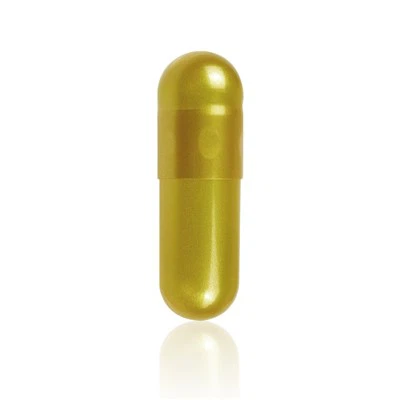
If you’re looking to source HALAL capsules for your next project, or you have questions about our ingredients, our audit process, or our capabilities, we’re here to talk. We can customize sizes, colors, and ingredients to fit your product needs, and we’ll work with you every step of the way to make sure you get exactly what you need. We don’t do sales pitches—we do honest conversations, because that’s what this industry is all about.
Liquid-Filled Capsules References:
- World Halal Council. (2021). General Guidelines for Halal Food Products and Services.
- U.S. Food and Drug Administration. (2023). Definitions of “Natural” Labeling for Food.
- Institute of Medicine. (2019). Capsule Technology for Pharmaceutical and Nutraceutical Products.
- Islamic Society of North America. (2022). Halal Certification Standards for Pharmaceutical and Supplement Ingredients.
- European Food Safety Authority. (2020). Safety Assessment of Hydroxypropyl Methylcellulose (HPMC) for Use in Food and Pharmaceutical Capsules.
Hubei Kornnac Pharmaceutical Co., Ltd.
Hubei Kornnac Pharmaceutical Co., Ltd. is one of the most professional halal capsules manufacturers and suppliers in China, specialized in providing high quality OEM service. Welcome you to buy bulk customized halal capsules at competitive price from our factory. Also, samples are available.
Address: No.439 Hebei Avenue, Chibi, Hubei Province, 437300, China.
E-mail: service@kornnaccaps.com
WebSite: https://www.kornnaccaps.com/
