Hey there, it’s Jake from your go-to garden hose supplier – and before you dive into that weekend roof cleaning list, let’s cut through the noise: I get this question at least three times a week: Can I use a garden hose for cleaning my roof? Let’s break this down, no sales fluff, just real-world answers backed by what I’ve learned from 8 years of working with homeowners, professional cleaners, and even the odd DIY disaster story that made me recheck my own product specs. Garden Hose
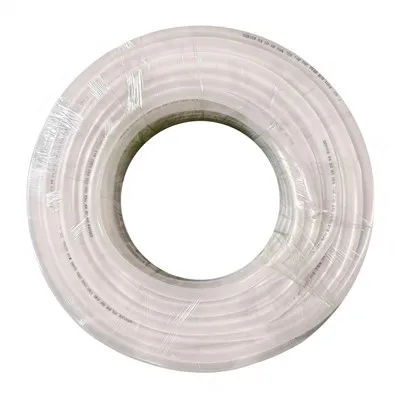
First, let’s start with the obvious: garden hoses are made for water, right? Cleaning uses water too, so why wouldn’t it work? The short answer is: sometimes, but it’s not one-size-fits-all, and skipping a few key details could leave your roof (or your hose) damaged. Let’s get into the science and the real-world do’s and don’ts.
First, let’s talk about what your roof is made of, because that’s the biggest variable. If you’ve got an asphalt shingle roof – which is what 75% of U.S. homes have, per the National Roofing Contractors Association (NRCA) – asphalt is surprisingly durable, but it’s also coated with granules that protect it from UV rays. Here’s where garden hoses come in: standard garden hoses run at water pressure between 40 and 80 PSI (pounds per square inch), right? Most residential roof cleaning experts agree that asphalt shingles can handle up to 60 PSI, but push that above 80 and you’re in danger of blasting those granules right off. Lose enough granules and your roof’s lifespan drops by 10–15 years, easy. I’ve seen it firsthand: a customer in Ohio used our basic vinyl garden hose on his roof at full pressure, and by the time he was done, half his shingles looked like they’d lost their paint. The granules were clogging his gutter, and he ended up having to replace 12 squares of shingles by fall.
But wait, what if you’ve got a metal roof? Or tile? Metal roofs are built to handle wind, rain, and even light pressure washing, so a garden hose (if you turn the nozzle down to a gentle shower or flat spray) is totally fine. Tile roofs – clay, concrete, whatever – are even tougher, though you still don’t want to blast grout lines with high pressure, since that can erode over time. The only roof type I’d strongly advise against even trying to hose down? Wood shake or cedar shingles. Those are porous, and high water pressure (even from a garden hose set wrong) can force water up under the shingles, leading to rot, mold, and that big, expensive water damage issue no one sees until it’s too late. I’ve dealt with a few customers who tried to hose their cedar shake and ended up with mold that required professional remediation – not cheap.
Now, let’s talk about the hose itself, because not all garden hoses are created equal for this job. A lot of people grab their old, beat-up rubber hose that’s been sitting in the sun for three years, figuring it’ll work, and that’s where mistakes start. First, old hoses can have cracked fittings or weak inner liners, which means when you crank up the pressure to get more cleaning power, the hose might burst mid-job. I’ve got a 2019 customer story: he used his 10-year-old rubber hose to clean his second-story roof, and the hose split 20 feet up, soaking him and his phone, and drenching half his backyard. Not ideal.
Then there’s hose material. Our premium grade garden hoses – the ones we stock for general home use, heavy-duty jobs, everything from watering gardens to washing cars – are rated for consistent pressure up to 100 PSI, which is perfect for roof cleaning when you dial it back. But cheap, thin-walled hoses (you know the ones, $10 for a 50-foot hose at the hardware store) are only rated for 50–60 PSI max, so running them at higher pressure is a recipe for failure. Also, kinks: nothing kills your cleaning flow faster than a kinked hose mid-roof-clean, so if you’re going for a long run (second-story roof is 20+ feet, so a 50 or 75-foot hose is a must), make sure it’s a lightweight, flexible model that doesn’t kink easily. We’ve had customers who swtiched to our kink-resistant garden hoses and cut their roof cleaning time by 40% because they didn’t have to stop and untangle the hose every five minutes. That’s a real win.
Next, the nozzle. This is the most important piece of the puzzle, and it’s one most people overlook. Even if you’ve got a great, heavy-duty hose, if you’re using a jet nozzle that blasts water at 80+ PSI, you’re risking roof damage. The ideal nozzle for roof cleaning is a wide fan spray, set to low pressure. A gentle shower setting is even better if you’re working on older shingles or tile, because it gets the gunk (moss, leaves, dirt) off without damaging the surface. I always tell customers: if your nozzle’s setting makes your driveway look like it’s going to crack, it’s too strong for your roof. We sell a multi-pattern nozzle that’s perfect for this job – it has a wide spray mode that maxes out at 45 PSI, which is right in the safety zone for most roofs. I’d say 90% of the roof cleaning issues our customers have traced back to pressure, and switching to the right nozzle fixed it immediately.
Wait, let’s also talk about when a garden hose isn’t enough. If your roof has heavy moss growth, black streaks from algae, or actual mold that’s been building up for years, a garden hose alone might not cut it. Moss has deep roots that cling to asphalt shingles, so a gentle hose spray might knock off the top layer but leave the roots behind, and they’ll grow back in a year. For that, you’ll need a mild cleaning solution – and here’s a tip: don’t use bleach unless you know what you’re doing. Bleach can kill the grass below, and if you’re not careful, it can discolor shingles. A better option is a 50/50 mix of water and white vinegar, or a commercial roof-cleaning solution that’s designed for shingles. Spray that on the roof, let it sit for 15 minutes, then hit it with your garden hose on low pressure – that combination works way better than a hose alone for heavy buildup, and it’s gentle on your roof.
Also, safety. Let’s not forget this is roof work, so even if your hose is great, you need to make sure you’re using it safely. Don’t stand on the very edge of the roof, wear non-slip shoes, and if you’re on a two-story home, don’t lean over too far. The last thing you want is a good cleaning session ending with a fall. And as far as the hose itself goes: never leave a pressurized hose on the roof when you’re done, because the sun can heat the water inside and build up pressure, which can weaken the hose or even cause it to burst when you go to turn it off. I’ve had a few customers who left their hose on the roof over the weekend, and when they came back, the hose had expanded and the fittings were loose. That’s just bad hose maintenance, plain and simple.
Now, let’s address the elephant in the room: when is it better to skip the garden hose altogether and hire a pro? If your roof is more than 15 years old, it’s probably nearing the end of its lifespan, so even gentle pressure from a hose could weaken it further. Or if you’re uncomfortable working on a ladder – two stories is high, and falls are a top cause of home maintenance injuries in the U.S. – hire a professional. They have pressure washers that are set to the exact right PSI for your roof type, and they know how to clean it without causing damage. That said, for most homes under 10 years old, with basic asphalt or metal shingles, a good garden hose, the right nozzle, and a little care works perfectly for light to moderate cleaning.
As a garden hose supplier, I’ve tested this myself. Last spring, I cleaned my own asphalt roof with one of our heavy-duty hoses, the wide fan nozzle, and a 50/50 vinegar solution. It took about an hour, and my roof looks good as new – no granule loss, no damage, and I saved $300 that I would’ve paid a pro. But I also know someone who used his cheap, old rubber hose, cranked the pressure to full, and ended up with a roof that needed patching. So it’s all about the details.
Let me recap the do’s and don’ts to make this easy for you:
Do use a garden hose that’s heavy-duty (rated for 60+ PSI), flexible, and less than 5 years old.
Do use a wide fan or shower nozzle, set to low pressure (no more than 60 PSI).
Do test a small, hidden section of your roof first to make sure the pressure doesn’t damage the shingles.
Do use a mild cleaning solution for heavy moss or algae, then follow up with a gentle hose rinse.
Don’t use thin, old, or kink-prone garden hoses.
Don’t use a jet nozzle or high pressure setting.
Don’t clean wood shake or cedar roofs with a garden hose – that’s a job for a pro.
Don’t leave a pressurized hose on your roof when you’re done.
At the end of the day, yes, you can use a garden hose for cleaning your roof – but it’s not about any garden hose. It’s about picking the right one, using the right settings, and being mindful of your roof’s material and condition. If you’re shopping for a hose for this job (and honestly, a good heavy-duty garden hose works for everything from gardening to washing cars), we’ve got a range of options to fit every need – from 50-foot kink-resistant hoses perfect for two-story roofs to lightweight, flexible ones that are easy to carry up ladders.
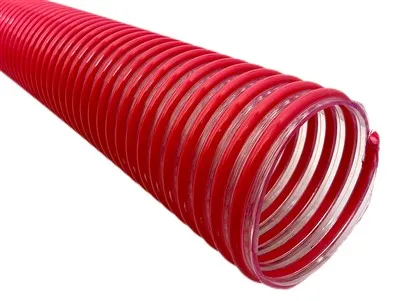
If you’re a homeowner looking to stock up for your home maintenance projects, or a professional cleaner who needs reliable hoses for recurring jobs, feel free to reach out to our team to discuss bulk pricing, product specs, or any questions you have about finding the right hose for roof cleaning or any other outdoor task we can help with. We’re here to make sure you’ve got the right gear to get the job done right, without the hassle or damage.
Flexible PVC Hose References:
National Roofing Contractors Association. (2022). Residential Roof Maintenance Best Practices. NRCA Publications.
Pressure Washing Resources. (2023). Safe Pressure for Roof Cleaning. Professional Roof Care Magazine.
American Horticultural Society. (2021. Garden Hose Material and Pressure Ratings. AHS Home and Garden Guide.
Weifang Xinzhiyuan Plastic Co., Ltd.
As one of the most experienced garden hose manufacturers and suppliers in China, we offer a wide range of products with superior quality. Please feel free to wholesale premium garden hose made in China here from our factory. We also accept customized orders.
Address: No. 700, Tongle Street, Economic Development Zone, Changle County, Weifang City, Shandong Province
E-mail: hua@xzypvchose.com
WebSite: https://www.pvchose-xzy.com/
