Hey there! I’m a supplier of carbon steel rods, and I often get asked this question: "Can carbon steel rods be used in corrosive environments?" Well, let’s dive right into this topic and find out. Carbon Steel Rod
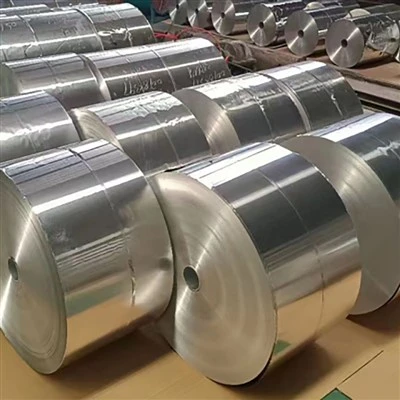
First off, let’s talk a bit about what carbon steel rods are. Carbon steel is basically an alloy of iron and carbon. It’s super common and used in all sorts of industries because it’s relatively inexpensive and has good strength. Carbon steel rods are long, cylindrical pieces made from this material, and they’re used for everything from construction to manufacturing.
Now, when it comes to corrosive environments, things get a little tricky. Corrosion is basically the deterioration of a material due to chemical reactions with its surroundings. Common corrosive environments include areas near the ocean, where there’s a lot of salt in the air, industrial settings with chemicals, and even just wet environments.
Carbon steel isn’t the most corrosion – resistant material out there. The main culprit is the carbon content. When carbon steel is exposed to oxygen and water, a chemical reaction called oxidation occurs. This leads to the formation of rust, which is essentially iron oxide. Rust weakens the steel over time, making it less reliable and potentially shortening its lifespan.
In a mild corrosive environment, like a regular indoor setting with a bit of humidity, carbon steel rods might hold up okay for a while. You can take some preventive measures, like painting the rods. A good coat of paint acts as a barrier between the steel and the surrounding air and moisture, reducing the chances of corrosion. Another option is to use a rust – inhibiting primer before painting. This gives an extra layer of protection.
Galvanizing is also a popular method. It involves coating the carbon steel rods with a layer of zinc. Zinc is more reactive than iron, so when it’s exposed to the environment, it corrodes first, sacrificing itself to protect the underlying steel. This process can significantly extend the life of the carbon steel rods in a moderately corrosive environment.
But what about harsher environments, like those near the coast or in industrial chemical plants? In these cases, carbon steel rods without proper protection are likely to corrode rapidly. The salt in coastal air or the chemicals in industrial settings can accelerate the oxidation process. Even a galvanized coating might not be enough in the long run.
In such extreme situations, you might want to consider other materials. Stainless steel, for example, contains chromium, which forms a passive oxide layer on the surface, preventing further corrosion. But stainless steel is more expensive than carbon steel. So, as a supplier of carbon steel rods, I always tell my customers to weigh the cost – benefit. If the project has a tight budget and the corrosive environment isn’t too severe, treated carbon steel rods could still be a viable option.
Let’s look at some real – world applications. In construction, carbon steel rods are often used as reinforcements in concrete. Concrete actually provides some protection to the steel because it’s alkaline, which helps to passivate the steel surface. However, if there’s a lot of chloride ions in the environment (like from de – icing salts or saltwater), these can break down the passive layer and cause corrosion.
In the manufacturing industry, carbon steel rods are used in machinery. In a clean, dry factory environment, they can work just fine. But if there are chemicals or high humidity levels, proper protection is a must.
As a supplier, I’ve seen customers make different choices. Some go for the more economical option of carbon steel rods and rely on coatings and maintenance to keep them in good shape. Others opt for more corrosion – resistant materials right from the start. It really depends on the specific requirements of the project and the budget available.
One thing I always recommend to my customers is regular inspection. Even if you’ve treated the carbon steel rods well, it’s important to keep an eye on them. Look for signs of rust or any damage to the protective coating. If you catch corrosion early, you can take steps to prevent it from spreading.
If you’re thinking about using carbon steel rods in a corrosive environment, I’d be more than happy to have a chat with you. I can help you understand the different options for protection and figure out what’s best for your project. Whether it’s choosing the right coating or deciding if carbon steel is the right material at all, I’ve got the knowledge and experience to assist you.
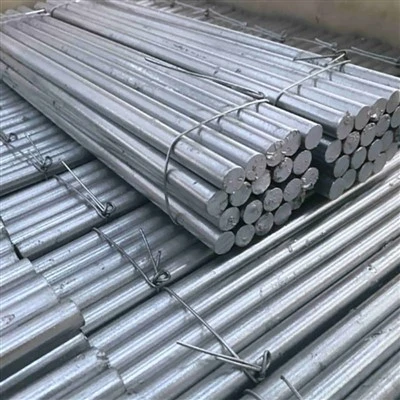
So, if you’re in the market for carbon steel rods or just have questions about using them in corrosive environments, don’t hesitate to reach out. Let’s talk about your needs and come up with the best solution together.
Galvanized Steel References:
- ASM Handbook Volume 13A: Corrosion: Fundamentals, Testing, and Protection
- "Corrosion Engineering" by Mario G. Fontana
Wuxi Jin Ming Jian De Industry & Trade Co., Ltd.
Wuxi Jin Ming Jian De Industry & Trade Co., Ltd. is one of the most professional carbon steel rod manufacturers and suppliers in China, also supports customized service. With abundant experience, we warmly welcome you to wholesale CE approved carbon steel rod in stock here from our factory. If you have any enquiry about quotation, please feel free to email us.
Address: 2102-2105, Yuexing Building, Guangnan Road, Liangxi District, Wuxi City, Jiangsu Province, China.
E-mail: info@wxjmjdss.com
WebSite: https://www.jmjdsteelexp.com/
