In the world of pellet production, the pellet mill is a crucial piece of equipment, converting various biomass materials into high – density pellets. As a trusted Pellet Mill Parts supplier, I’ve received numerous inquiries about the different components of the pellet mill and their functions. One such component that often goes under – the – radar but plays a significant role is the belt. Pellet Mill Parts

Transmission of Power
The primary and most fundamental function of the belt in a pellet mill is power transmission. In a pellet mill, an electric motor or an engine generates the mechanical power required to run the mill. However, this power needs to be transferred from the motor to the main shaft of the pellet mill, which is where the belt comes in.
The belt serves as a flexible and efficient link between the motor’s pulley and the pulley on the main shaft of the pellet mill. When the motor rotates, it turns the motor pulley. The friction between the belt and the pulleys allows the belt to grip the pulleys and transfer the rotational motion, and thus the power, to the main shaft of the pellet mill. This way, the force generated by the motor can be used to drive the various internal components of the pellet mill, such as the rollers and the die.
The advantage of using a belt for power transmission in a pellet mill is its ability to absorb shock and vibration. Unlike direct – drive systems, which transfer the full force of the motor’s operation to the main shaft, a belt – driven system can act as a buffer. When the motor starts or stops, or when there are sudden changes in the load on the pellet mill, the belt can stretch and flex slightly. This flexibility helps to reduce the stress on the motor and the main shaft, preventing damage and extending the lifespan of both the motor and the pellet mill itself.
Speed Regulation
Another important function of the belt in a pellet mill is speed regulation. By using pulleys of different diameters, the belt can change the speed at which the main shaft of the pellet mill rotates. The relationship between the speed of the motor pulley and the speed of the main shaft pulley is determined by the ratio of their diameters.
For example, if the motor pulley has a smaller diameter than the main shaft pulley, the main shaft will rotate at a slower speed than the motor. Conversely, if the motor pulley has a larger diameter than the main shaft pulley, the main shaft will rotate at a faster speed than the motor. This speed – changing ability is crucial for pellet mills because different types of biomass materials require different processing speeds.
Soft biomass materials, such as sawdust or straw, may require a relatively lower rotational speed of the main shaft to ensure proper pellet formation. On the other hand, harder materials, like wood chips or nut shells, may need a higher speed to achieve the necessary pressure and friction for pelletizing. As a Pellet Mill Parts supplier, we offer a variety of belts and pulleys with different specifications to allow our customers to adjust the speed of their pellet mills according to their specific production needs.
Isolation and Protection
The belt also provides a certain degree of isolation and protection in the pellet mill system. In a pellet mill, the motor and the main working components are often exposed to different operating conditions. The motor generates heat during operation, and the main shaft and other components in the pelletizing chamber are in contact with biomass materials, which can produce dust and debris.
The belt acts as a physical barrier between the motor and the main shaft. It prevents the transfer of heat from the motor to the main working components, which helps to maintain a stable operating temperature in the pelletizing chamber. Additionally, it stops dust and debris from entering the motor, reducing the risk of motor damage due to contamination.
Moreover, the belt can protect the motor from overload situations. In case of a sudden blockage or excessive load in the pellet mill, the belt may slip on the pulleys. This slippage prevents the motor from stalling or being damaged by the excessive force. It serves as a safety mechanism, allowing the operator to identify and resolve the problem before more serious damage occurs.
Ease of Maintenance and Replacement
From a maintenance perspective, belts in pellet mills offer great advantages. They are relatively easy to install, adjust, and replace. In a pellet mill, regular maintenance is essential to ensure optimal performance and longevity. When it comes to the belt, maintenance mainly involves checking its tension and inspecting for signs of wear or damage.
If the belt is too loose, it may slip on the pulleys, resulting in inefficient power transmission. If it is too tight, it can put excessive stress on the motor, the pulleys, and the bearings, leading to premature wear. As a Pellet Mill Parts supplier, we can provide clear instructions on how to properly adjust the belt tension.
In the event that the belt becomes worn out or damaged, replacing it is a relatively straightforward process. Compared to other parts of the pellet mill, such as the rollers or the die, which may require more complex tools and procedures for replacement, the belt can be changed quickly with basic tools. This reduces the downtime of the pellet mill and allows for continuous production.
Considerations for Belt Selection
When it comes to selecting a belt for a pellet mill, there are several factors to consider. Firstly, the material of the belt is crucial. Belts are typically made of rubber, polyurethane, or a combination of materials. Rubber belts are known for their good flexibility, shock – absorbing ability, and resistance to abrasion. Polyurethane belts, on the other hand, offer higher strength and better resistance to chemicals and heat.
The size and specifications of the belt also need to match the pulleys and the power requirements of the pellet mill. The width and thickness of the belt, as well as the type of teeth or grooves (for toothed or V – belts), should be carefully selected to ensure proper power transmission and a secure fit on the pulleys.
At our Pellet Mill Parts supply, we understand the importance of these factors and can provide professional advice on belt selection based on the specific needs of your pellet mill. We have a wide range of high – quality belts in stock, suitable for different models and sizes of pellet mills.
Conclusion
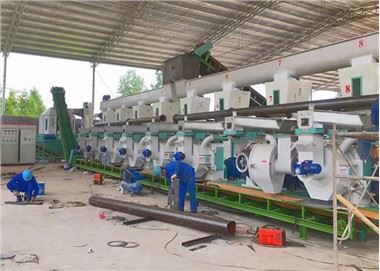
In conclusion, the belt in a pellet mill is far from being a simple component. It plays multiple crucial functions, including power transmission, speed regulation, isolation and protection, and it offers ease of maintenance and replacement. As a Pellet Mill Parts supplier, we recognize the significance of providing high – quality belts and related parts to our customers.
Pellet Line Accessory Equipment If you are in the market for reliable pellet mill parts, especially belts, and need professional advice on selection and installation, feel free to reach out to us. Our team of experts is always ready to help you make the best choices for your pellet mill and ensure smooth and efficient production. We are committed to providing top – notch products and excellent customer service. Contact us today to start your procurement and let’s discuss how we can meet your specific requirements.
References
- "Pellet Mill Handbook", Industry – specific technical publication.
- "Power Transmission in Industrial Machinery", Academic research on mechanical power transfer.
- Manufacturer’s manuals for various pellet mill models, providing detailed component information.
Zhengzhou Fanda Machinery Co., Ltd.
Zhengzhou Fanda Machinery Co., Ltd. is one of the most professional pellet mill parts manufacturers and suppliers in China. Feel free to buy cheap pellet mill parts for sale from our factory and check the price with us.
Address: Zhisi Road, Zhongyuan District, Zhengzhou, Henan, China.
E-mail: vincenthan@fandamachinery.com
WebSite: https://www.fandapelletmill.com/
