As a supplier of gas station vapor recovery equipment, I’ve witnessed firsthand the growing importance of adhering to strict export standards. In this blog, I’ll delve into the key export standards for this essential equipment, explaining why they matter and how they impact our business and the global environment. Gas Station Vapor Recovery Equipment
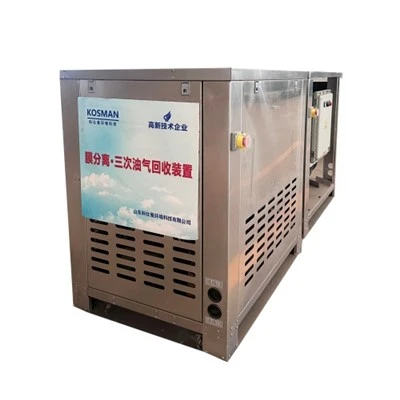
Understanding Gas Station Vapor Recovery Equipment
Before we explore the export standards, it’s crucial to understand what gas station vapor recovery equipment is and why it’s necessary. Gasoline is a volatile liquid that easily evaporates into the air, especially during the fueling process. These vapors contain harmful pollutants such as volatile organic compounds (VOCs) and hazardous air pollutants (HAPs), which contribute to air pollution, smog formation, and health problems.
Gas station vapor recovery equipment is designed to capture and recycle these vapors, preventing them from being released into the atmosphere. There are two main types of vapor recovery systems: Stage I and Stage II.
- Stage I Vapor Recovery: This system captures vapors during the unloading of gasoline from tanker trucks into underground storage tanks at gas stations. It typically uses a closed – loop system that transfers the displaced vapors back into the tanker truck for later processing.
- Stage II Vapor Recovery: Stage II systems focus on capturing vapors during the refueling of vehicles at the pump. They use special nozzles and hoses to collect the vapors displaced from the vehicle’s fuel tank and return them to the underground storage tank.
Key Export Standards
1. Environmental Regulations
One of the most significant drivers of export standards for gas station vapor recovery equipment is environmental protection. Different countries and regions have their own environmental regulations aimed at reducing air pollution and protecting public health.
- European Union (EU): The EU has strict regulations under the Industrial Emissions Directive (IED) and the National Emission Ceilings (NEC) Directive. These directives set limits on the emission of VOCs from various industrial sources, including gas stations. Gas station vapor recovery equipment exported to the EU must meet the requirements of these directives, which often involve specific performance standards for vapor capture efficiency and leakage rates.
- United States: In the United States, the Environmental Protection Agency (EPA) regulates vapor recovery systems under the Clean Air Act. The EPA’s standards for Stage I and Stage II vapor recovery systems specify requirements for equipment design, installation, operation, and maintenance. For example, Stage II systems must have a minimum vapor capture efficiency of 95% to ensure effective reduction of VOC emissions.
- Asia – Pacific Region: Countries in the Asia – Pacific region, such as China, Japan, and South Korea, are also implementing increasingly strict environmental regulations. China, for instance, has introduced national standards for gas station vapor recovery equipment to control VOC emissions and improve air quality in cities. These standards cover aspects such as equipment performance, safety, and testing methods.
2. Safety Standards
Safety is another critical aspect of export standards for gas station vapor recovery equipment. Gasoline vapors are highly flammable and explosive, so the equipment must be designed and manufactured to prevent fires and explosions.
- Electrical Safety: The electrical components of vapor recovery equipment, such as motors, sensors, and control systems, must meet international electrical safety standards. For example, they should be designed to prevent electrical sparks and overheating, which could ignite the gasoline vapors. In many countries, equipment must be certified according to standards such as UL (Underwriters Laboratories) in the United States or EN (European Norms) in Europe.
- Mechanical Safety: The mechanical parts of the equipment, including hoses, nozzles, and valves, must be strong and durable enough to withstand the pressures and stresses of normal operation. They should also be designed to prevent leaks and spills, which could pose a safety hazard. International standards such as ISO (International Organization for Standardization) provide guidelines for the design and testing of mechanical components.
3. Quality and Performance Standards
In addition to environmental and safety standards, gas station vapor recovery equipment must meet certain quality and performance standards to ensure its effectiveness and reliability.
- Vapor Capture Efficiency: As mentioned earlier, vapor capture efficiency is a key performance indicator for vapor recovery systems. Export standards often specify minimum levels of vapor capture efficiency for both Stage I and Stage II systems. For example, a high – quality Stage II system should be able to capture at least 90% of the vapors displaced during refueling.
- Leakage Rates: Low leakage rates are essential to prevent the escape of gasoline vapors into the atmosphere. Export standards typically set limits on the maximum allowable leakage rates for different components of the vapor recovery system, such as hoses, joints, and valves.
- Durability and Reliability: Equipment must be able to operate continuously under various environmental conditions without frequent breakdowns or malfunctions. Standards may require equipment to undergo rigorous durability and reliability testing, such as accelerated life tests and environmental simulation tests.
Impact on Our Business as a Supplier
These export standards have a significant impact on our business as a supplier of gas station vapor recovery equipment.
- Product Development: We need to invest in research and development to ensure that our products meet the diverse export standards. This includes improving the design of our equipment to enhance vapor capture efficiency, reducing leakage rates, and enhancing safety features. For example, we may need to develop new materials for hoses and nozzles that are more resistant to wear and tear and better at preventing leaks.
- Quality Control: Strict quality control measures are essential to ensure that our products meet the export standards. We need to implement quality management systems that cover every stage of the production process, from raw material procurement to final product testing. This includes conducting regular inspections and tests to ensure that our equipment meets the required performance, safety, and environmental criteria.
- Certification and Documentation: Obtaining the necessary certifications for our products in different export markets is a time – consuming and costly process. We need to work closely with certification bodies to ensure that our products comply with the relevant standards and regulations. In addition, we need to maintain detailed documentation of our product design, manufacturing processes, and test results to demonstrate compliance.
Why Choose Our Gas Station Vapor Recovery Equipment
As a supplier, we take great pride in our ability to meet the strict export standards for gas station vapor recovery equipment. Our products are designed and manufactured with the latest technology and highest quality standards, ensuring maximum vapor capture efficiency, safety, and reliability.
- Advanced Technology: We continuously invest in research and development to incorporate the latest technological advancements into our products. Our vapor recovery systems use state – of – the – art sensors and control systems to optimize vapor capture and reduce energy consumption.
- Customized Solutions: We understand that different gas stations have different requirements, so we offer customized solutions to meet the specific needs of our customers. Whether it’s a small independent gas station or a large chain of fueling stations, we can provide tailored equipment and installation services.
- Excellent After – Sales Service: We believe in providing comprehensive after – sales service to our customers. Our team of experienced technicians is available to provide installation, maintenance, and repair services to ensure that our equipment operates smoothly and efficiently.
Conclusion

In conclusion, the export standards for gas station vapor recovery equipment play a crucial role in protecting the environment, ensuring safety, and promoting high – quality products. As a supplier, we are committed to meeting these standards and providing our customers with the best – in – class vapor recovery solutions.
Gas Station Vapor Recovery Equipment If you’re in the market for gas station vapor recovery equipment and want to learn more about how our products can meet your needs and comply with the relevant export standards, please don’t hesitate to contact us. We’d be happy to discuss your requirements and provide you with detailed information and quotations for our equipment. Let’s work together to create a cleaner and safer environment.
References
- European Union Industrial Emissions Directive (IED)
- United States Environmental Protection Agency (EPA) Clean Air Act regulations
- ISO standards for mechanical components
- National standards of countries in the Asia – Pacific region for gas station vapor recovery equipment
Shandong Kosman Environmental Technology Co., Ltd.
Shandong Kosman Environmental Technology Co., Ltd. is one of the leading manufacturers and suppliers of gas station vapor recovery equipment in China, featured by quality products and low price. Please rest assured to buy advanced equipment made in China here and get pricelist from our factory. Customized orders are welcome.
Address: No. 5, single-story steel frame structure, Electromechanical Industrial Park, Chengwu County Economic Development Zone, Heze City, Shandong Province
E-mail: keshiman2021@126.com
WebSite: https://www.kosman-vrufactory.com/
