Hey there! As a supplier of electrostatic separators, I often get asked if these amazing machines can be used to separate rubber and plastic. Well, you’re in the right place, ’cause I’m gonna dive deep into this topic and give you all the low – down. Electrostatic Separators
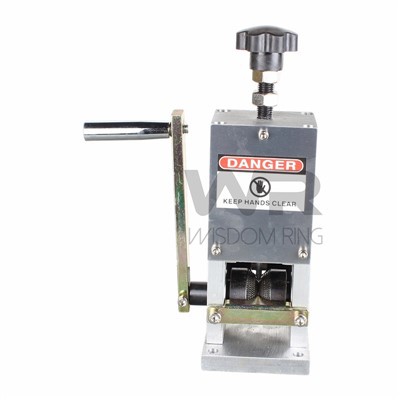
First off, let’s understand what electrostatic separators are. These bad boys are a type of sorting equipment that use the principles of electrostatics. They work by using an electric field to separate materials based on their electrical conductivity. When different materials pass through the electric field, they get charged differently, and then the separator can direct them into different collection areas.
Now, when it comes to rubber and plastic, the answer to whether electrostatic separators can separate them is a bit of a mixed bag. It depends on several factors.
Physical and Chemical Properties
Rubber and plastic have distinct physical and chemical properties that influence their behavior in an electrostatic field.
Plastics come in many different types, like polyethylene (PE), polypropylene (PP), and polyvinyl chloride (PVC). They generally have different electrical conductivity levels. For example, some plastics are more insulating, while others may have a bit more conductivity due to additives or their molecular structure.
Rubber, on the other hand, also has a wide range of electrical properties. Natural rubber and synthetic rubbers, such as styrene – butadiene rubber (SBR) or nitrile rubber (NBR), can have different responses to an electric field. Some rubbers may be more prone to static charge build – up, while others may dissipate it quickly.
Surface Conditions
The surface condition of the rubber and plastic particles is super important. If the surfaces are clean and dry, they are more likely to interact with the electrostatic field as expected. However, if there are contaminants like dirt, grease, or moisture on the surfaces, it can mess up the charging process.
For instance, if you’re dealing with recycled rubber and plastic from waste products, they might be covered in all sorts of gunk. In this case, you’d need to pre – treat the materials to clean their surfaces before running them through the electrostatic separator. This could involve washing, drying, and maybe even some mechanical cleaning steps.
Particle Size and Shape
The size and shape of the rubber and plastic particles also play a big role. Smaller particles generally have a larger surface – to – volume ratio, which means they can charge up more effectively in an electrostatic field. Irregularly shaped particles may also behave differently compared to spherical ones.
If the particle sizes are too large, they may not be affected as strongly by the electrostatic forces. And if the sizes vary too much, it can be difficult to get a consistent separation. So, it’s often a good idea to screen the materials to get them into a more uniform size range before using the electrostatic separator.
Success Stories
There have been some cases where electrostatic separators have been successfully used to separate rubber and plastic. In the recycling industry, for example, when dealing with waste from electrical and electronic equipment (WEEE), there are often mixes of rubber and plastic parts.
By carefully adjusting the parameters of the electrostatic separator, such as the voltage, the speed of the conveyor belt (which moves the materials through the separator), and the design of the electrodes, it’s possible to achieve a reasonable separation. Some companies have reported being able to separate different types of plastics from rubber with decent efficiency, which is great for recycling and reusing these valuable materials.
Challenges
However, it’s not all sunshine and rainbows. There are some major challenges when using electrostatic separators for rubber – plastic separation.
One of the biggest challenges is overlapping electrical properties. Some rubber and plastic materials may have very similar electrical conductivities or charging behaviors, making it hard to tell them apart in the electrostatic field. This can lead to incomplete separation and a mixture of products in the collection bins.
Another challenge is the cost. Setting up an electrostatic separation system can be expensive. You need the right type of separator, proper pre – treatment equipment, and a skilled operator to run and maintain it. For small – scale recycling operations or companies with limited budgets, this can be a real barrier.
What We Can Offer
As a supplier of electrostatic separators, we understand these challenges and have been working hard to come up with solutions. Our separators are designed with advanced technology to improve the separation efficiency. We have adjustable settings that allow you to fine – tune the machine according to the specific properties of the rubber and plastic you’re dealing with.
We also offer pre – treatment solutions, like cleaning and size – screening equipment, to ensure that the materials are in the best possible condition for electrostatic separation. And our team of experts is always on standby to provide support and training to our customers, so they can get the most out of our products.
Whether you’re in the recycling business, a manufacturer looking to reuse waste materials, or just exploring new ways to separate rubber and plastic, our electrostatic separators could be the answer you’re looking for.
Conclusion
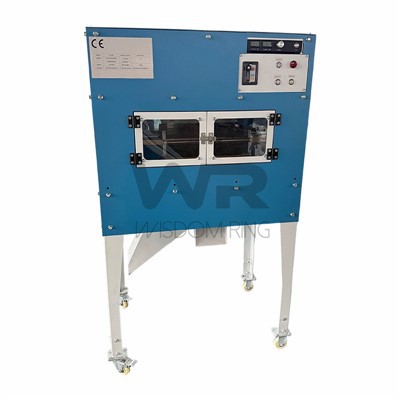
So, can electrostatic separators be used for separating rubber and plastic? The short answer is yes, but it’s not without its challenges. With the right combination of pre – treatment, proper equipment settings, and a bit of know – how, it’s definitely possible to achieve a good separation.
Compressor Casing Cutting Machines If you’re interested in learning more about how our electrostatic separators can help you with rubber – plastic separation, or if you want to discuss your specific needs, don’t hesitate to reach out for a consultation. We’re here to help you make the most of your materials and take your operations to the next level.
References
- "Electrostatic Separation Principles and Applications" by J. A. Schneider
- "Recycling of Polymers and Plastics: Technologies and Processes" by P. R. Hornsby
- Industry reports on waste management and recycling techniques
Xi’an Wisdom Ring Machinery Co., Ltd.
As one of the leading electrostatic separators manufacturers and suppliers in China, we warmly welcome you to buy advanced electrostatic separators for sale here from our factory. All customized machines are with high quality and competitive price. Contact us for quotation.
Address:
E-mail: copperrecycling@wisdomringmachinery.com
WebSite: https://www.wisdomringmachinery.com/
