In the complex world of bulk material handling, two key players stand out: the bucket elevator conveyor belt and the traditional belt conveyor. As a dedicated supplier of bucket elevator conveyor belts, I’ve witnessed firsthand the unique capabilities and advantages that each system brings to the table. In this博客 post, I aim to provide an in – depth comparison of these two conveyor types, shedding light on their differences, applications, and when one might be a better choice over the other. Bucket Elevator Conveyor Belt
Structural and Operational Differences
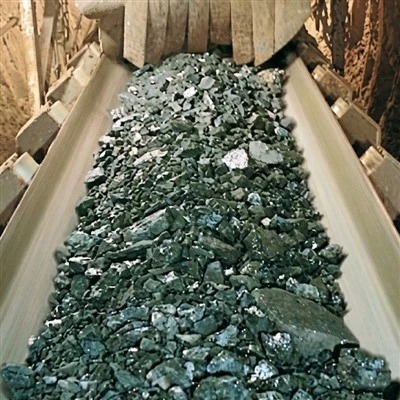
The most obvious difference between a bucket elevator conveyor belt and a belt conveyor lies in their structure. A belt conveyor is a relatively simple system. It consists of a continuous belt that runs over two or more pulleys. The material is placed directly on the belt surface, and the movement of the belt transports the material from one point to another. The belt can be flat or troughed, depending on the type of material and the requirements of the application.
On the other hand, a bucket elevator conveyor belt incorporates a series of individual buckets attached to the belt. These buckets are designed to scoop up the material from a supply point, carry it vertically or at an inclined angle, and then discharge it at the desired location. This design allows for the efficient handling of bulk materials, especially when vertical transport is required.
In terms of operation, belt conveyors are typically used for horizontal or gently inclined transport. They are well – suited for moving large volumes of materials such as coal, grains, and aggregates over long distances. The operation of a belt conveyor is straightforward: the motor drives the pulley, which in turn moves the belt. The material simply rides along on the belt’s surface.
Bucket elevator conveyor belts, however, are specialized for vertical or steeply inclined transport. Their vertical – lifting capability makes them ideal for applications where floor space is limited or where materials need to be elevated to a significant height. The operation involves the buckets filling with material at the intake, traveling up the elevator, and then discharging the material at the top through a variety of discharge mechanisms, such as centrifugal or gravity discharge.
Performance and Efficiency
When it comes to performance, both conveyor types have their strengths. Belt conveyors can handle high volumes of material at relatively high speeds. They can transport materials over long distances with minimal energy consumption, especially when compared to other mechanical conveying systems. The smooth surface of the belt allows for continuous and uniform flow of materials, which is beneficial for processes that require a steady feed of raw materials.
Bucket elevator conveyor belts, on the other hand, excel in situations where vertical transport is a priority. They can achieve high lifting heights efficiently, often requiring less floor space compared to a belt conveyor that would need to be configured in a long, winding path to achieve the same vertical gain. Additionally, the use of buckets allows for precise control over the amount of material being transported at any given time. This is particularly useful in applications where dosing or metering of materials is necessary.
However, bucket elevator conveyor belts may face some limitations in terms of the maximum throughput compared to large – scale belt conveyors. The filling and emptying of the buckets can create a bottleneck, especially for very high – volume applications. The design of the buckets and the spacing between them also need to be carefully optimized to ensure efficient operation.
Material Compatibility
Another important aspect to consider is the compatibility of the conveyor systems with different types of materials. Belt conveyors are versatile and can handle a wide range of materials, from fine powders to large, irregularly shaped objects. They can be equipped with various types of belts, such as rubber, PVC, and metal, depending on the characteristics of the material and the operating environment. For example, a rubber belt is suitable for carrying abrasive materials, while a PVC belt may be used for food – grade applications.
Bucket elevator conveyor belts also have good material compatibility, but they are more commonly used for bulk materials such as grains, minerals, and chemicals. The design of the buckets allows for the handling of free – flowing and non – free – flowing materials alike. However, materials that are sticky or have a high moisture content may pose challenges for the bucket elevator. The sticky material can adhere to the buckets, reducing the efficiency of the system and requiring frequent cleaning.
Maintenance and Durability
Maintenance requirements differ between the two conveyor systems. Belt conveyors generally have relatively simple maintenance procedures. The main components that require regular inspection are the belt itself, the pulleys, and the drive system. Belt wear is a common issue, but replacement of the belt can be a straightforward process if the conveyor is properly designed. The pulleys need to be kept clean and in good alignment to ensure smooth operation.
Bucket elevator conveyor belts have more complex maintenance needs. In addition to checking the belt and the drive system, the buckets need to be inspected regularly for wear and damage. The attachments that hold the buckets to the belt are also critical components that require maintenance. If a bucket becomes loose or damaged, it can cause imbalances in the system and potentially lead to downtime. However, with proper maintenance, both conveyor types can have a long service life.
Cost Considerations
Cost is always a critical factor in any industrial decision – making process. The initial cost of a belt conveyor system can be relatively low, especially for small – scale or basic applications. The simplicity of the design and the availability of standard components contribute to its affordability. However, for large – scale, long – distance conveyor systems, the cost can increase significantly due to the need for large amounts of belt material, multiple pulleys, and a powerful drive system.
Bucket elevator conveyor belts typically have a higher initial cost. The manufacturing of the buckets and the specialized design of the belt with bucket attachments add to the production cost. Additionally, the installation of a bucket elevator may require more complex engineering and structural support, especially for high – rise installations. However, in applications where vertical transport is essential, the long – term cost savings from reduced floor space requirements and efficient material handling may outweigh the initial investment.
Application – Specific Suitability
Based on the above comparisons, we can identify specific applications where one conveyor type is more suitable than the other. Belt conveyors are the go – to choice for horizontal or gently inclined transport in industries such as mining, agriculture, and manufacturing. They are ideal for moving large volumes of materials over long distances, such as transporting coal from a mine to a power plant or moving packaged goods in a warehouse.
Bucket elevator conveyor belts, on the other hand, are indispensable in industries where vertical transport is a must. In the food processing industry, they are used to lift grains and other ingredients to different levels of the production facility. In the chemical industry, they can transport powders and granules to storage silos or processing equipment at elevated heights.
Conclusion
In conclusion, both the bucket elevator conveyor belt and the belt conveyor have their unique advantages and disadvantages. The choice between the two depends on a variety of factors, including the type of material to be transported, the required transport distance and height, the throughput requirements, and the available floor space. As a supplier of bucket elevator conveyor belts, I understand the importance of providing customized solutions to meet the specific needs of our customers.
Aramid Conveyor Belt If you are in the process of evaluating conveyor systems for your business, I encourage you to reach out to me for a detailed discussion. Our team of experts can help you assess your requirements and determine whether a bucket elevator conveyor belt or a belt conveyor is the best fit for your application. We offer high – quality conveyor belts that are designed for durability and efficiency. Whether you are looking for a new installation or need to replace an existing conveyor system, we are here to provide you with the best solutions. Contact us today to start the conversation about your conveyor needs.
References
- "Bulk Material Handling Handbook" by CEMA (Conveyor Equipment Manufacturers Association)
- "Industrial Conveying Technology" by various industry experts in the field of material handling.
Alumina Technology (Qingdao) New Materials Co., Ltd.
As one of the most professional bucket elevator conveyor belt manufacturers and suppliers in China, we also support customized service. With abundant experience, we warmly welcome you to buy bucket elevator conveyor belt for sale here and get quotation from our factory. For price consultation, contact us.
Address: No.448, Jiangshan South Road, Huangdao District, Qingdao City, Shandong Province
E-mail: Gloria.zhang@contitech.cn
WebSite: https://www.altechconveyorbelt.com/
