As a seasoned supplier in the conductor wire industry, understanding the signs of damaged insulation is of paramount importance. Conductor wires are the lifelines of countless electrical systems, ensuring the safe and efficient transmission of electricity. Insulation plays a crucial role in preventing electrical hazards, such as short circuits, electrical shocks, and fires. In this blog post, I will share my insights on the signs of damaged insulation on a conductor wire and why it is essential to address these issues promptly. Conductor Wire

Visual Inspection
One of the most straightforward ways to detect damaged insulation is through a visual inspection. Over time, insulation can deteriorate due to various factors, such as age, exposure to harsh environmental conditions, chemical exposure, and mechanical stress. Here are some visual signs to look out for:
- Cracks and Tears: Insulation that has developed cracks or tears is a clear indication of damage. These openings can expose the conductor wire, increasing the risk of electrical arcing and short circuits. Cracks can be caused by factors such as temperature fluctuations, mechanical stress, or the use of low-quality insulation material.
- Discoloration: Discoloration of the insulation can be a sign of overheating or chemical damage. For example, if the insulation appears brown or black, it may have been exposed to excessive heat, which can weaken the material and reduce its insulating properties. Similarly, exposure to chemicals or solvents can cause the insulation to change color and become brittle.
- Swelling or Bulging: Swelling or bulging of the insulation can indicate the presence of moisture or gas trapped inside. This can be a result of water ingress, condensation, or a chemical reaction within the insulation material. Swelling can cause the insulation to lose its shape and integrity, leading to electrical problems.
- Abrasion or Scratches: Abrasion or scratches on the insulation surface can compromise its protective barrier. These can occur during installation, maintenance, or due to contact with sharp objects. Even minor abrasions can expose the conductor wire and increase the risk of electrical leakage.
Electrical Testing
In addition to visual inspection, electrical testing can provide valuable insights into the condition of the insulation. Here are some common electrical tests used to detect damaged insulation:
- Insulation Resistance Testing: Insulation resistance testing measures the resistance of the insulation to the flow of electrical current. A low insulation resistance value indicates that the insulation may be damaged or contaminated. This test is typically performed using a megohmmeter, which applies a high voltage to the conductor wire and measures the resulting current.
- Dielectric Absorption Ratio Testing: Dielectric absorption ratio testing evaluates the ability of the insulation to absorb and store electrical energy. A low dielectric absorption ratio can indicate that the insulation is deteriorating or has been damaged. This test is similar to insulation resistance testing but involves measuring the insulation resistance at different time intervals.
- Tan Delta Testing: Tan delta testing measures the dissipation factor of the insulation, which is a measure of the energy lost as heat when an alternating current is applied. An increase in the tan delta value can indicate that the insulation is deteriorating or has been damaged. This test is typically performed using a specialized instrument called a tan delta tester.
Thermal Imaging
Thermal imaging is a non-contact method of detecting damaged insulation by measuring the surface temperature of the conductor wire. Insulation that is damaged or deteriorating can cause the conductor wire to overheat, which can be detected using a thermal imaging camera. Here are some thermal signs to look out for:
- Hot Spots: Hot spots on the conductor wire can indicate areas of high resistance, which can be caused by damaged insulation. These hot spots can be detected as areas of elevated temperature on the thermal image.
- Uneven Temperature Distribution: Uneven temperature distribution along the conductor wire can also be a sign of damaged insulation. This can occur when the insulation is not providing adequate thermal protection, causing some areas of the conductor wire to overheat more than others.
- Thermal Gradients: Thermal gradients, or differences in temperature between adjacent areas of the conductor wire, can indicate the presence of insulation damage. These gradients can be detected as areas of different colors or shades on the thermal image.
Environmental Factors
Environmental factors can also contribute to the damage of insulation on conductor wires. Here are some common environmental factors to consider:
- Temperature: Extreme temperatures can cause the insulation to expand and contract, leading to cracks and tears. High temperatures can also accelerate the aging process of the insulation, reducing its insulating properties.
- Humidity: Moisture can penetrate the insulation and cause it to swell or become conductive. This can lead to electrical leakage and short circuits. Humidity can also promote the growth of mold and mildew, which can further damage the insulation.
- Chemical Exposure: Exposure to chemicals, such as solvents, acids, and alkalis, can cause the insulation to deteriorate and lose its insulating properties. Chemical exposure can also cause the insulation to become brittle and prone to cracking.
- UV Radiation: Ultraviolet (UV) radiation from the sun can cause the insulation to degrade over time. UV radiation can break down the chemical bonds in the insulation material, making it more susceptible to damage from other environmental factors.
Importance of Addressing Damaged Insulation
Addressing damaged insulation on conductor wires is crucial for several reasons:
- Safety: Damaged insulation can pose a significant safety risk, including the risk of electrical shock, fire, and short circuits. By identifying and repairing damaged insulation promptly, you can help prevent these hazards and ensure the safety of your employees, customers, and property.
- Reliability: Damaged insulation can cause electrical problems, such as voltage drops, power outages, and equipment failures. By maintaining the integrity of the insulation, you can help ensure the reliable operation of your electrical systems and minimize downtime.
- Efficiency: Damaged insulation can increase the resistance of the conductor wire, which can lead to energy losses and higher electricity bills. By replacing damaged insulation, you can help improve the efficiency of your electrical systems and reduce energy costs.
Contact Us for Conductor Wire and Insulation Solutions
As a leading supplier of conductor wires, we understand the importance of high-quality insulation and the role it plays in ensuring the safe and efficient operation of electrical systems. We offer a wide range of conductor wires with various insulation materials and specifications to meet the needs of our customers. Our products are manufactured using the latest technology and quality control processes to ensure reliability and performance.
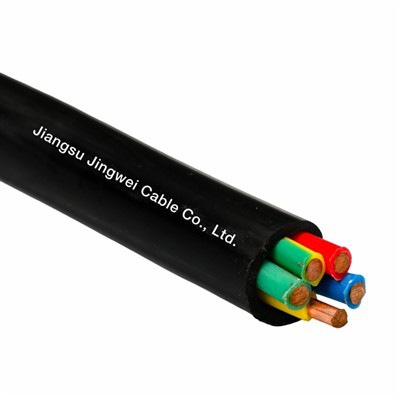
If you are experiencing any signs of damaged insulation on your conductor wires or need to replace your existing wires, we encourage you to contact us for a consultation. Our team of experts can help you identify the best solution for your specific needs and provide you with high-quality products and excellent customer service.
Control Cable Don’t let damaged insulation compromise the safety and efficiency of your electrical systems. Contact us today to learn more about our conductor wire and insulation solutions and how we can help you.
References
- Electrical Safety Foundation International. (2023). Electrical Safety Tips. Retrieved from www.esfi.org.
- National Fire Protection Association. (2023). National Electrical Code. Retrieved from www.nfpa.org.
- IEEE Standards Association. (2023). IEEE Standards for Electrical Insulation. Retrieved from www.ieee.org.
Jiangsu Jingwei Cable Co., Ltd.
As one of the leading conductor wire manufacturers in China, we warmly welcome you to buy bulk durable conductor wire made in China here from our factory. All cables are with high quality and competitive price. For pricelist and free sample, contact us now.
Address: Industrial Concentration Zone C, Guanlin Town,Yixing City, Jiangsu Province
E-mail: marilyn.wang@jingwei-cable.com
WebSite: https://www.jwcable.com/
