Hey there! As a supplier in the hydraulic industry, I’ve seen my fair share of different models of hydraulic production equipment. And let me tell you, the performance differences between these models can be pretty significant. Hydraulic Industry Production Equipment
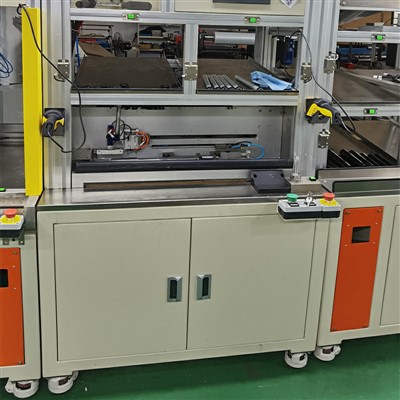
First off, let’s talk about pumps. They’re like the heart of any hydraulic system. Among the most common types are gear pumps, vane pumps, and piston pumps.
Gear pumps are usually the most basic and affordable option. They work by using two gears meshed together. When the gears rotate, they create pockets of space that draw in fluid on one side and push it out on the other. These pumps are great for low – to medium – pressure applications. They’re simple in design, which means they’re generally reliable and easy to maintain. However, they’re not the most efficient. They tend to have some internal leakage, which can reduce their overall performance, especially at higher pressures.
Vane pumps, on the other hand, use vanes that slide in and out of a rotor to create the pumping action. They can offer better efficiency compared to gear pumps. They work well in medium – pressure systems and can handle a wider range of viscosities. Their performance is more consistent, even in changing conditions. But they’re a bit more complex than gear pumps. That complexity means that if something goes wrong, it can be a bit trickier to fix.
Piston pumps are the heavy – hitters. They’re designed for high – pressure applications. They use pistons moving in cylinders to pump the fluid. These pumps can deliver a very high flow rate at high pressures. They’re extremely efficient and can handle demanding tasks like construction equipment and heavy – duty manufacturing operations. But boy, are they expensive! They require precise manufacturing and high – quality materials. And maintenance? Well, it’s not exactly a walk in the park. Any wear and tear on the pistons or cylinders can quickly lead to a drop in performance.
Now, let’s switch gears and talk about valves. Directional control valves are super important. Their job is to control the direction of the fluid flow in the hydraulic system. There are different types, like spool valves and poppet valves.
Spool valves are widely used because they’re pretty versatile. You can easily adjust them to control the flow direction and the speed of the hydraulic actuator. They can handle a good amount of flow, which makes them suitable for a lot of applications. But they do have some pressure drops. When the fluid passes through a spool valve, there’s a loss in pressure, which can affect the overall system performance.
Poppet valves, in contrast, have very low pressure drops. They create a tight seal when they’re closed, which helps in preventing any leakage. They’re great for applications where precise control is needed, like in some precision machinery. However, they have a limited flow capacity compared to spool valves. So, if you need to move a large amount of fluid quickly, poppet valves might not be your best bet.
Next up, we’ve got hydraulic cylinders. Single – acting cylinders are simpler. They use hydraulic pressure to move in one direction, and a spring or some external force to move back. They’re often used in applications where you don’t need a lot of force in the return stroke. They’re cost – effective and easy to install. But their performance is limited. They can only do work in one direction, and the return stroke might not be as powerful or precise.
Double – acting cylinders, on the other hand, use hydraulic pressure to move in both directions. They provide more control and power. You can use them in applications where you need to do work in both the forward and the backward strokes, like in a forklift or a hydraulic press. But they’re more complex and more expensive than single – acting cylinders. They also require more sophisticated control systems to operate effectively.
Another factor that affects the performance of hydraulic production equipment is the quality of the components. High – quality seals, for example, can make a huge difference. A good seal will prevent fluid leakage, which not only saves money on hydraulic fluid but also ensures that the system maintains its pressure and performance. Cheaper seals might wear out quickly, leading to leaks, reduced efficiency, and potential damage to other components.
The same goes for the hydraulic fluid. Using the right type of fluid with the correct viscosity is crucial. If the fluid is too thick, it can cause the pump to work harder, leading to increased energy consumption and potential overheating. If it’s too thin, it won’t provide enough lubrication, which can cause excessive wear on the components.
Now, you might be wondering, "Okay, but how do I choose the right model for my specific needs?" Well, it all comes down to your application. If you’re running a small – scale manufacturing operation with relatively low – pressure requirements, you might be better off with more basic and affordable equipment like gear pumps and single – acting cylinders. But if you’re in the heavy – construction or aerospace industry, where high – pressure and high – precision are a must, you’ll need to invest in top – of – the – line piston pumps and double – acting cylinders.
As a supplier in the hydraulic industry, I’ve helped many customers make these decisions. We’ve got a wide range of hydraulic production equipment models to suit different budgets and performance requirements. Whether you’re just starting out and need something simple and cost – effective or you’re looking to upgrade your existing system to handle more demanding tasks, we’ve got you covered.
If you’re interested in learning more about our hydraulic production equipment or want to discuss which model would be the best fit for your business, don’t hesitate to reach out. We can have a chat, go over your specific needs, and help you make an informed decision. Whether it’s questions about performance differences, installation, or maintenance, we’re here to assist you every step of the way.
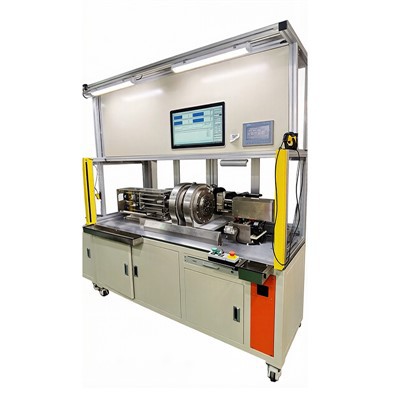
So, are you ready to take your hydraulic production to the next level? Let’s have a conversation and see how we can work together.
Hydraulic Industry Production Equipment References
- "Hydraulic Equipment Handbook" by Peter Merritt
- "Fluid Power Technology" by Arthur R. Erdman and Richard P. Rothbart
Shanghai Zenyan Automation Engineering Co., Ltd.
As one of the leading hydraulic industry production equipment manufacturers in China, we warmly welcome you to buy advanced hydraulic industry production equipment made in China here from our factory. All customized machines are with high quality and low price. Contact us for quotation.
Address: 3rd Floor, Building A, No.5629 Beisong Road, Chedun Town, Songjiang District, Shanghai, China
E-mail: zenyan_sh@163.com
WebSite: https://www.zenyanauto.com/
