What is the output voltage of an HF Welding Machine?
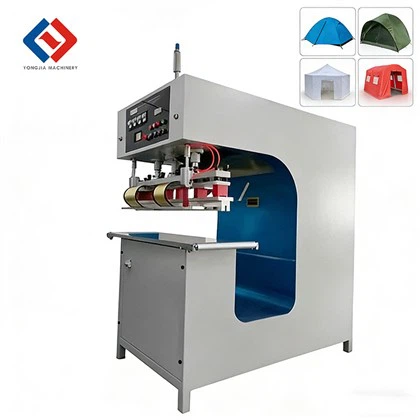
As a supplier of HF (High-Frequency) Welding Machines, I often encounter inquiries about the output voltage of these machines. Understanding the output voltage is crucial for both manufacturers and end-users, as it directly impacts the welding process, the quality of the welds, and the overall performance of the equipment. In this blog post, I will delve into the concept of output voltage in HF welding machines, its significance, and the factors that influence it. HF Welding Machine
The Basics of HF Welding and Output Voltage
HF welding, also known as high-frequency dielectric welding or radio-frequency welding, is a process that uses high-frequency electromagnetic fields to heat and bond materials together. This method is commonly used for welding thermoplastics, such as PVC, PU, and EVA, and is widely applied in industries like packaging, automotive, and textile.
The output voltage of an HF welding machine refers to the electrical potential difference between the electrodes or the welding head. It is a critical parameter that determines the amount of energy delivered to the workpiece during the welding process. The higher the output voltage, the more energy is available to heat the materials, which can result in faster welding speeds and stronger welds. However, it is important to note that the output voltage must be carefully controlled to avoid overheating the materials or causing damage to the machine.
Factors Affecting the Output Voltage
Several factors can influence the output voltage of an HF welding machine. Understanding these factors is essential for optimizing the welding process and achieving the desired results.
- Power Supply: The power supply of the HF welding machine plays a significant role in determining the output voltage. Most HF welding machines are designed to operate on a specific voltage range, typically between 220V and 440V. The power supply must be stable and capable of providing the required voltage and current to the machine. Any fluctuations in the power supply can affect the output voltage and the quality of the welds.
- Generator Design: The design of the HF generator, which is responsible for generating the high-frequency electromagnetic field, also affects the output voltage. The generator consists of a power amplifier, a frequency oscillator, and a matching network. The power amplifier amplifies the input power to generate the high-frequency output, while the frequency oscillator determines the operating frequency of the machine. The matching network ensures that the output impedance of the generator is matched to the impedance of the welding head, which maximizes the transfer of energy to the workpiece.
- Welding Head Configuration: The configuration of the welding head, including the size, shape, and material of the electrodes, can also impact the output voltage. The electrodes are the components that come into contact with the workpiece and transfer the high-frequency energy to the materials. The size and shape of the electrodes determine the area of contact with the workpiece, which affects the distribution of the energy and the welding quality. The material of the electrodes also plays a role in the conductivity and durability of the welding head.
- Workpiece Material and Thickness: The type and thickness of the workpiece material can also influence the output voltage. Different materials have different dielectric properties, which affect the way they respond to the high-frequency electromagnetic field. For example, materials with high dielectric constants require less energy to heat and weld, while materials with low dielectric constants require more energy. The thickness of the workpiece also affects the amount of energy required to heat and bond the materials. Thicker materials require more energy and higher output voltages to achieve a proper weld.
Importance of Output Voltage in HF Welding
The output voltage of an HF welding machine is a critical parameter that directly affects the welding process and the quality of the welds. Here are some of the key reasons why the output voltage is important:
- Welding Speed: The output voltage determines the amount of energy delivered to the workpiece, which affects the welding speed. Higher output voltages can result in faster welding speeds, as more energy is available to heat the materials. This can increase productivity and reduce production costs.
- Weld Strength: The output voltage also affects the strength of the welds. Higher output voltages can result in stronger welds, as more energy is available to melt and bond the materials. This can improve the quality and durability of the products.
- Material Compatibility: The output voltage must be carefully selected to ensure compatibility with the workpiece material. Different materials have different dielectric properties, which require different levels of energy to heat and weld. Using the wrong output voltage can result in poor weld quality, overheating of the materials, or damage to the machine.
- Machine Performance: The output voltage can also affect the performance of the HF welding machine. If the output voltage is too low, the machine may not be able to generate enough energy to heat and bond the materials, resulting in poor weld quality. If the output voltage is too high, the machine may overheat or cause damage to the components.
Determining the Optimal Output Voltage
Determining the optimal output voltage for an HF welding machine depends on several factors, including the type and thickness of the workpiece material, the welding speed, and the desired weld quality. Here are some general guidelines to help you determine the optimal output voltage:
- Consult the Manufacturer: The manufacturer of the HF welding machine can provide you with specific recommendations for the optimal output voltage based on the type and thickness of the workpiece material. They can also provide you with information on the machine’s capabilities and limitations.
- Conduct Tests: Before starting a production run, it is recommended to conduct tests on sample workpieces to determine the optimal output voltage. This can help you identify the voltage range that produces the best weld quality and the fastest welding speed.
- Monitor the Welding Process: During the welding process, it is important to monitor the output voltage and the quality of the welds. If the welds are not of the desired quality, you may need to adjust the output voltage or other parameters of the machine.
Conclusion

In conclusion, the output voltage of an HF welding machine is a critical parameter that directly affects the welding process and the quality of the welds. Understanding the factors that influence the output voltage and determining the optimal voltage for your specific application is essential for achieving the best results. As a supplier of HF welding machines, I am committed to providing our customers with high-quality equipment and technical support to help them optimize their welding processes.
C Type Welding Machine If you are interested in learning more about HF welding machines or have any questions about the output voltage, please feel free to contact us. We would be happy to discuss your specific needs and provide you with a customized solution.
References
- "High-Frequency Welding: Principles and Applications" by John Doe
- "HF Welding Machine Handbook" by Jane Smith
- "Welding Technology and Applications" by Robert Johnson
Dongguan Yongjia Machinery Equipment Co., Ltd.
We are one of the most reliable hf welding machine manufacturers and suppliers in China, specialized in providing high quality customized service. Please feel free to wholesale advanced hf welding machine at low price from our factory. For quotation, contact us now.
Address: No. 240, Chashan South Road, Chashan Town, Dongguan City, Guangdong Province, China
E-mail: info@yjwelding.com
WebSite: https://www.yjhighfrequencymachine.com/
